March opens Israel’s best season. The wildflower fields are still running. The Galilee is lush and green from winter rains. Masada can be climbed without a 4am alarm to beat the heat. And Purim — Israel’s most purely festive public holiday — turns Tel Aviv and Jerusalem into a carnival for a weekend, then returns the country to its pre-Easter quiet.
March in three modes
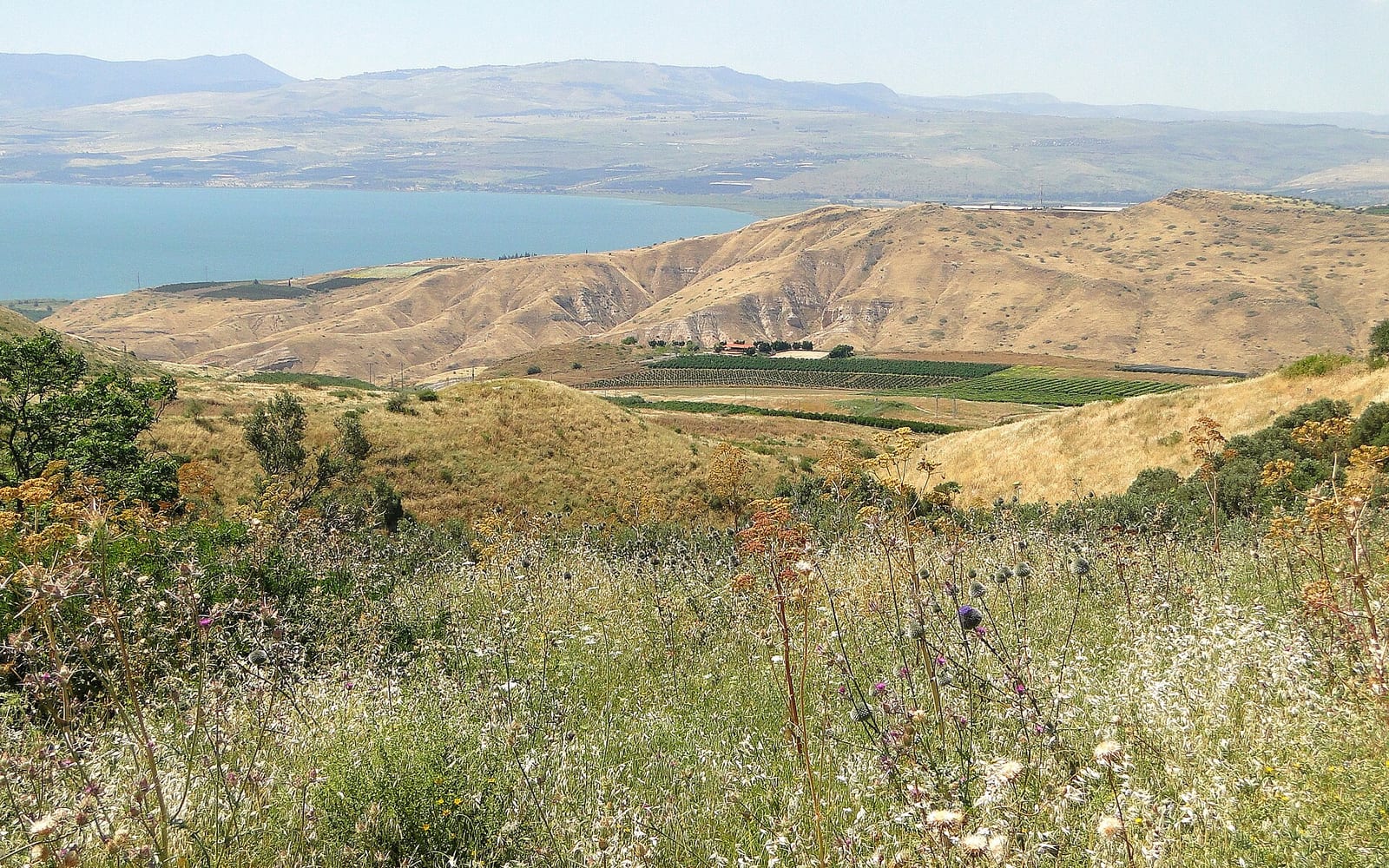
Nature and wildflowers (Negev, Galilee, Judean Hills): The kalaniot anemone bloom typically runs through early or mid-March in a good rainfall year, sometimes peaking entirely in March. Galilee orchids, cyclamens, and anemones carpet hiking trails across the north. March is the last reliable month for the full wildflower season before the heat begins closing it down.
Purim and culture (Tel Aviv, Jerusalem): For one weekend, Purim transforms Israel’s cities. Tel Aviv’s street party on Rothschild Boulevard is one of the most distinctive urban events in the Middle East. Jerusalem’s family-oriented parade and festivities are a very different, and equally worthwhile, experience. The holiday is non-disruptive — no site closures, normal transport — but accommodation fills months ahead.
Before the crowds (Jerusalem, Galilee, Dead Sea): March is the last quiet month before Easter and Passover (April) bring significant foreign visitor numbers. The major sites are accessible, hotel rates are below their spring peak, and the weather is ideal across the south and centre.
Wildflowers: the kalaniot bloom in March
March is the last full month of Israel’s wildflower season — and in many years, the peak falls within March rather than February.
The kalaniot (red anemone), Israel’s national flower, blooms across the Negev and coastal plain in a pattern driven entirely by winter rainfall. A high-rainfall winter peaks the bloom in late February; a dry winter can push the main display deep into March, making March the most reliable wildflower month for visitors who cannot guarantee an exact travel window. By late March, the anemone bloom is typically fading as temperatures rise — but in good years, early March is the most intense and widespread.
Where to see the March bloom
Negev (Eshkol region and Halutza Sands): The core of the Darom Adom wildflower festival area, centred on the Ruhama Reservoir and Halutza Sands west of Beersheba. In peak years, hillsides, roadsides, and open fields turn vivid red and pink across several hundred square kilometres.
Coastal plain (Ashdod south to Netivot): The coastal strip south of Tel Aviv carries anemones and additional species including blue lupins. Reachable as a day trip from Tel Aviv without a hire car (train to Ashdod + taxi or local bus).
Galilee woodlands: March brings orchids, cyclamens, and irises to the wooded hillsides of the Upper Galilee, Carmel region, and Beit Shearim National Park. Less dramatic in scale than the Negev bloom but more varied in species.
Darom Adom festival
The Darom Adom (‘Red South’) festival is organised by the Eshkol Regional Council around the peak bloom window. It typically takes place over one or two weekends, announced 2–4 weeks ahead once bloom intensity is confirmed. The festival includes:
- Designated hiking trails with bloom density markers
- Bedouin hospitality tents with traditional food and tea
- Guided photography and nature walks
- Family activities and live music on peak weekends
Entry is free at most sites. Check daromadom.co.il for current-year dates, bloom reports, and trail maps before booking any wildflower-specific travel. Bloom intensity and timing vary significantly — this is not a fixed event.
Arrive by 8am on peak festival weekends. The fields draw large crowds from Tel Aviv and Beersheba; parking fills by mid-morning.
For detailed bloom locations, species calendar, and hiking routes, see Israel spring wildflowers guide.
Purim in Israel
Purim is Israel’s most uninhibited public holiday — a Jewish carnival built around costumes, street music, gifting sweets, and a festive feast.
The holiday commemorates the story of Esther and the foiled plot against the Jewish people of Persia, as told in the Book of Esther read aloud at synagogue the previous evening. In practice, for visitors it presents itself as an astonishing burst of colour, music, and communal energy in cities that can look entirely different to their weekday selves.
Purim dates shift annually per the Hebrew calendar. 2027: March 22–23. Always verify exact dates at hebcal.com — do not rely on prior years. Jerusalem observes Shushan Purim one day later than the rest of Israel (the holiday’s traditional law for historically walled cities).
Purim in Tel Aviv
The Tel Aviv Purim Street Party on Rothschild Boulevard and the surrounding Neve Tzedek and Florentin streets is the headline event. A multi-stage outdoor festival runs from late morning through the afternoon, with DJs, live music, costume parades, and mobile bar trucks. Attendance is free. The crowd skews 25–40 and ranges from elaborate theatrical costumes to beach-casual; the atmosphere is ebullient rather than intoxicated.
By evening, the party migrates into TLV’s bar and club ecosystem. Purim is one of the few nights when Rothschild, Allenby, and the port area venues extend to 5am or later.
Practical note: Tel Aviv accommodation for Purim weekend books out 2–3 months ahead, particularly boutique hotels in the Rothschild/Florentin/Neve Tzedek area. If Purim falls during your visit, book accommodation the moment you confirm travel dates.
Purim in Jerusalem
Jerusalem Purim is distinctly different from Tel Aviv’s version — more family-oriented, more religious in tone, and centred on the city’s historic core. The Jerusalem Purim parade brings floats, music, and costumed participants through the city centre streets, typically including Jaffa Road and Ben Yehuda Street. The Jerusalem Biblical Zoo holds an annual Purim event for families. The Old City markets and Jewish Quarter have their own Purim atmosphere — the reading of the Megillah (Book of Esther) at the Western Wall and in the covered markets creates a layered cultural experience.
Jerusalem observes Shushan Purim the day after the rest of Israel. For visitors who want to experience both cities’ Purim atmosphere, it is logistically possible to attend the Tel Aviv street party on Saturday afternoon and Jerusalem’s Shushan Purim on Sunday — a genuinely rewarding two-day itinerary.
Purim practicalities
- No site closures: unlike Passover or Yom Kippur, Purim does not close restaurants, museums, or tourist attractions
- Transport runs normally
- Megillah readings: the festive Megillah reading (evening and morning) takes place at virtually every synagogue; many are open to curious non-Jewish visitors — arrive in time for the evening reading, which is participatory and surprisingly accessible even without Hebrew
- Mishloach manot: you will see Israelis exchanging gift baskets of food and sweets — accepting one if offered is culturally appropriate and warmly intended
Spring hiking in March
March is the optimal month for hiking across most of Israel. Temperatures are cool to warm, rain is diminishing, the landscape is green, and summer heat — which makes strenuous hikes genuinely dangerous from May onwards in the Negev — is nowhere near.
Masada and the Dead Sea
The Masada Snake Path — the original ascent route (1.5 hours, 450m elevation gain, steep and rocky) — is safe to hike throughout March without pre-dawn start requirements. In July, the path cannot safely be attempted after 6am. In March, a 5am start for a full sunrise arrival is a choice, not a safety necessity, and gives you the summit before the cable car visitors arrive.
The Dead Sea below sits at 20–23°C in March — warm enough to float comfortably. A Masada morning combined with a Dead Sea afternoon float is one of the most satisfying Israel itineraries and is entirely achievable as a day trip from Jerusalem or Tel Aviv.
See the Dead Sea guide for beach choices, floating tips, and salt flat safety.
Ramon Crater and the Negev
The Makhtesh Ramon (Ramon Crater) is excellent in March. The rim trail (8km circuit, 3–4 hours, no technical difficulty) gives panoramic views over the crater floor. The floor itself — accessible by vehicle or jeep tour — contains multicoloured sandstone formations, prism-shaped ammonite fossils, and the scale of the crater walls.
Mitzpe Ramon town makes an excellent overnight base: guesthouses, small restaurants, and the International Dark Sky Park designation for stargazing (March evenings are cool but clear). See the Mitzpe Ramon guide for accommodation and hiking logistics.
Galilee and Golan hiking
The Galilee in March is at its most vivid — rain-green hillsides, orchid-scattered trails, and the Sea of Galilee at a comfortable 17–18°C for kayaking and water activities. The Jesus Trail (65km between Nazareth and Capernaum) is at its best in March: well-watered but not flooded, cool enough for multi-day hiking.
Golan Heights hiking to Tel Dan Nature Reserve, the Banias Springs, and Nimrod Fortress is excellent; the springs and waterfalls are at their fullest following winter rains.
The Dead Sea in March
March is a strong month for the Dead Sea — not as uncrowded as February, but with better weather than December and far more comfortable than summer.
Water temperature is 21–24°C (warming through the month). Air temperature on the Ein Bokek resort strip is 25–28°C daytime. The Dead Sea mineral-rich mud treatments, spa facilities at resort hotels, and the floating experience itself are all available at comfortable temperatures. The resort strip is quieter than at Israeli school holiday peaks.
Caveat: if Israeli school spring break falls in late March, Dead Sea hotels fill and prices rise. Check Israeli school holiday dates for the year you’re travelling and book ahead if your dates coincide.
See the Dead Sea guide for beach and resort logistics.
Jerusalem in March
March is one of the best months to visit Jerusalem — after winter’s cold rain, before the April crowds, and with gradually improving weather across the month.
Temperatures: 14–20°C daytime (rising through the month), 7–12°C evenings. A warm jacket is still needed for early mornings and evenings. Rain is reducing week by week. By late March, Jerusalem afternoons are warmly pleasant.
Why March works: The Old City sites — Western Wall, Church of the Holy Sepulchre, Temple Mount, Via Dolorosa — are accessible without the significant queues that begin building in April when pilgrimage groups arrive for Easter and Passover. Hotel rates are below the spring peak. The post-winter atmosphere in the city is lighter; markets like Mahane Yehuda are in full operation with seasonal produce.
Easter preview: For some years, Easter falls in late March (2024 was March 31; 2027 Easter is April 20). When Easter is late March, expect growing pilgrim presence from mid-March. When Easter is in April, Jerusalem in March remains relatively quiet. Check the current year’s Easter date and plan accordingly.
See the Temple Mount visitor guide and Old City walking tour for logistics.
Tel Aviv in March
Tel Aviv in March is genuinely pleasant — warming toward summer without the heat, and alive with Purim energy if the timing aligns.
Temperatures: 18–24°C daytime (rising through the month), 12–16°C evenings. Largely dry by mid-March. The beach is walkable and pleasant; sea temperature is 17–18°C (cool but not prohibitive for a brief swim).
Hotel rates: Below the April–October peak, though Purim weekend spikes sharply if your visit coincides.
Cultural calendar: Tel Aviv’s museum season (October–March) is still running — the Tel Aviv Museum of Art, the ANU Museum of the Jewish People, and the Eretz Israel Museum all have full March programming. The Cameri Theatre and Habima run major spring productions.
March events calendar
Darom Adom wildflower festival (typically 1–2 weekends in late February or early/mid-March, depending on bloom — announced 2–4 weeks ahead): Eshkol region Negev. Bloom trails, Bedouin tents, guided nature walks. Free at most sites. Check daromadom.co.il for current-year dates.
Red Sea Guitar Festival Eilat (annually in February or March — exact dates announced 2–4 months ahead; check eilat.city): Eilat’s dedicated guitar music festival on the North Beach waterfront. Israeli guitarists and international guests across rock, blues, and acoustic genres; 27–30°C shoulder-season weather; single-evening tickets historically ₪80–200.
Purim (date shifts annually per Hebrew calendar — 2027: March 22–23; verify at hebcal.com): Costume street parties in Tel Aviv (Rothschild Boulevard), family parade in Jerusalem, Megillah readings nationwide. No site closures. Tel Aviv accommodation books out months ahead for Purim weekend.
Shushan Purim — Jerusalem only (one day after Purim): Jerusalem observes the holiday a day later as a historically walled city. Family events and parade in the city centre.
Wildflower bloom — Galilee (ongoing through March, tapering as temperatures rise): Orchids, cyclamens, and irises in wooded areas of the Upper Galilee and Carmel region.
Masada Snake Path hiking season (year-round, but March is optimal — no heat risk): Best conditions for the Snake Path ascent. See Dead Sea guide for Masada day trip logistics.
HONESTY: Purim and all Hebrew-calendar holidays shift annually — always verify exact dates at hebcal.com. Wildflower bloom timing depends entirely on winter rainfall and can vary by 3–4 weeks; never book a wildflower-specific trip without checking daromadom.co.il bloom status. Easter dates shift annually between late March and late April — check the current year.
Practical March planning
Weather by region
| Region | Daytime (early March) | Daytime (late March) | Evening | Conditions |
|---|
| Eilat / Red Sea | 24–26°C | 28–30°C | 14–18°C | Sunny, very low rain |
| Dead Sea | 22–25°C | 26–28°C | 14–16°C | Mostly sunny, warming |
| Negev (Mitzpe Ramon) | 20–23°C | 22–26°C | 10–14°C | Cool to warm, dry |
| Tel Aviv / coast | 18–21°C | 21–24°C | 12–16°C | Mild, drying through month |
| Jerusalem | 14–17°C | 17–20°C | 7–12°C | Improving, some early rain |
| Galilee / Golan | 16–20°C | 18–22°C | 8–12°C | Green, lush, warming |
What to pack
Eilat / Dead Sea: Light clothing, swimwear, SPF 50+. Evenings in early March still warrant a light layer.
Negev hiking: Layers. March Negev days can reach 24°C but afternoons cool quickly as sunset approaches. Start hikes early; bring a windproof mid-layer for mid-afternoon rest stops.
Jerusalem and Tel Aviv: A light-to-medium jacket for early March; by late March a light layer suffices in the evening. Waterproof shoes for wet cobblestones in early March.
Religious sites: Covered shoulders and knees regardless of outside temperatures.
Booking priorities
- Tel Aviv on Purim weekend: 2–3 months ahead minimum; boutique hotels sell out first
- Dead Sea if Israeli school spring break falls in March: 4–6 weeks ahead
- Jerusalem in March (outside Easter overlap years): Good availability; 2–3 weeks usually adequate
- Wildflower tour or Darom Adom visit: Book within 48 hours of festival date announcement — Negev guesthouses and operators near bloom areas sell out quickly
Where March fits in the bigger picture
- Israel in spring (March–May): the full three-month seasonal overview — wildflowers, Easter, Independence Day, beach season opening
- Israel spring wildflowers guide: in-depth kalaniot bloom locations, species calendar, and Darom Adom logistics
- Israel in February: Mount Hermon skiing, wildflowers, and the quiet winter-escape month before March
- Israel in April: Passover and Easter peak — what to expect in Israel’s busiest month
- Dead Sea guide: floating tips, Ein Bokek resort map, and Masada combination logistics
- Mitzpe Ramon guide: Ramon Crater hiking, dark-sky stargazing, and Negev overnight logistics
- Hiking in Israel: trail grades, gear, and the full national trail network
- Best time to visit Israel: how March compares across the full 12-month planning matrix