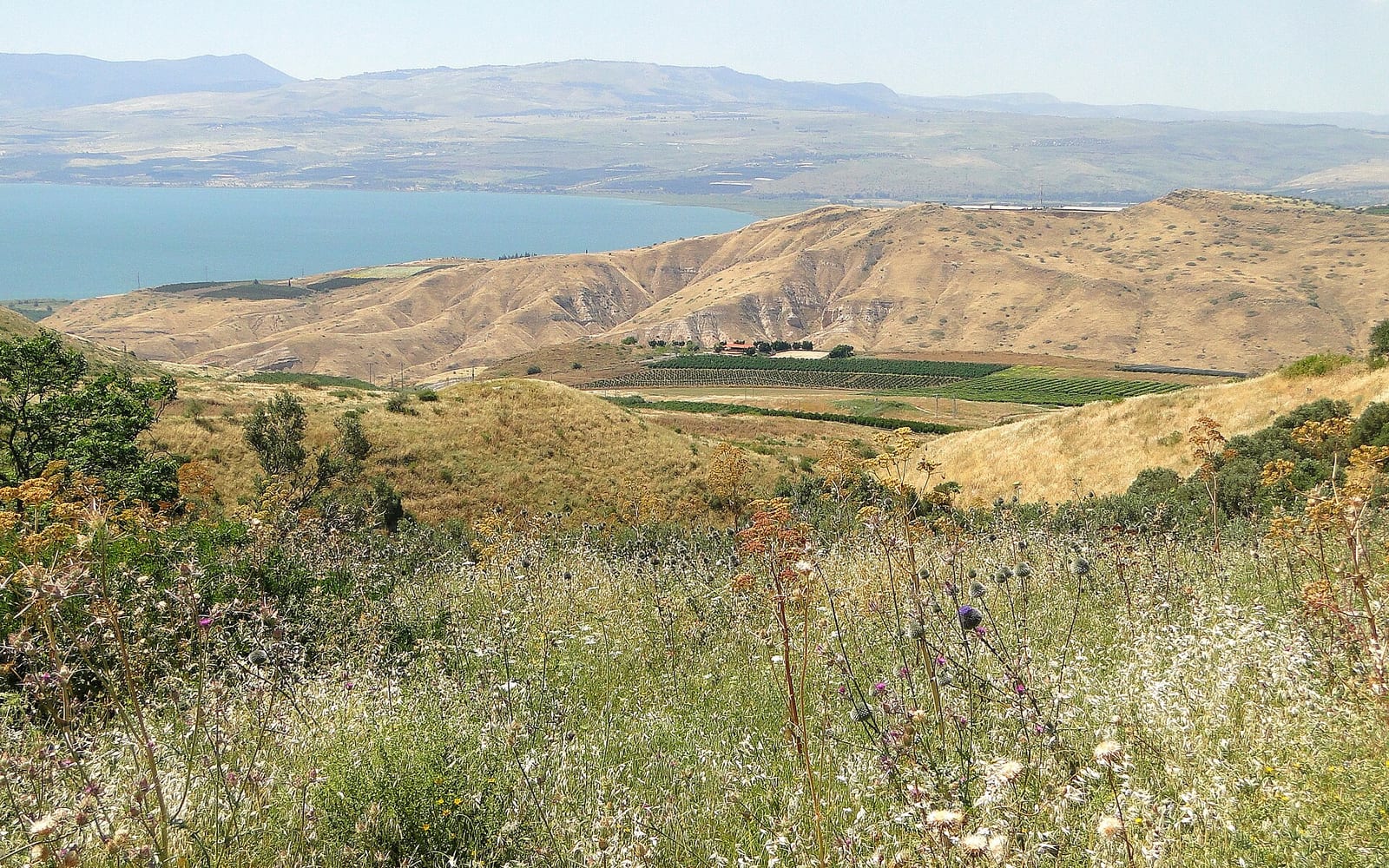
The Galilee olive harvest is one of Israel’s oldest agricultural spectacles — millions of trees covering the northern hill country turn their fruit from green to purple to black each October, and for a concentrated window of four to six weeks, the region transforms into a working festival of pressing, tasting, and celebration. The annual Yemei HaZayit (Olive Branch Days) festival, now in its 30th edition, brings visitors directly into that harvest through open groves, stone mills, and village kitchens across Galilee, the Golan foothills, and the northern valleys.
This guide covers the 2026 harvest window, where to go, what to expect at a grove visit, and how to combine the experience with a wider Galilee trip.
The harvest season: timing and what to expect
Galilee olives typically ripen between mid-October and early November — earlier than olives further south. The precise window shifts by one to three weeks year-on-year based on winter rainfall totals and summer temperatures: a wet winter followed by a warm spring accelerates ripening, while a dry year can delay the peak into mid-November.
The Yemei HaZayit festival events are concentrated on weekends within this window, usually across three to four consecutive Fridays and Saturdays. Official programme dates and participating grove registrations are published by local tourism authorities approximately four to six weeks before the season begins — check touristisrael.com and the Galilee Regional Tourism Authority for the current year’s confirmed schedule.
Weekday grove visits are quieter and often more photogenic — light is softer in the morning on Galilean hillsides, and working groves on non-festival days let you see genuine harvesting without the festival crowd. Some producers welcome drop-in visitors throughout the season; others open only on designated festival days. Calling ahead is always worthwhile.
Festival locations and key areas
The Yemei HaZayit festival is distributed across dozens of participating villages, moshavim, and kibbutzim. The main clusters are:
Nazareth hill villages: The Beit HaKerem Valley and Tur’an Ridge immediately west and north of Nazareth hold the densest concentration of festival groves — Moshav Tzipori, Kfar Kana, Arrabe, and Tur’an all participate regularly. This area is the easiest to reach from most Galilee bases and offers the most activity variety on any given festival weekend.
Druze village groves — Peki’in and Beit Jann: The Druze villages of Upper Galilee maintain some of Israel’s oldest olive cultivation traditions. Peki’in, continuously inhabited since antiquity, has groves that predate most modern history — producers here operate stone-mill demonstrations specifically for festival visitors. Beit Jann, on the Meron ridge, adds high-altitude perspective (900m) and some of the region’s most complex extra-virgin oil.
Jordan Valley and Hula Valley corridor: Kibbutz Kfar Giladi, Kibbutz Kfar Blum and several moshavim in the northern Jordan Valley and Hula basin participate with lower-altitude groves that ripen earlier — useful if you want to catch the first harvest week before Upper Galilee groves open fully.
Golan foothills: Several Golan-area producers combine olive harvest with their winery visits — pressing olive oil and offering wine tastings on the same day. This pairing works naturally as a full-day circuit; see the Golan Heights wineries guide for winery-specific details.
What to do at a grove visit
Hand-picking
The essential harvest activity. Working alongside farmers, you use wooden rakes or hand-combs to strip olive branches over spread nets, then gather the fallen fruit into harvest crates. The action is repetitive and satisfying — even an hour of picking gives you a visceral sense of the labour behind any bottle of extra-virgin oil. Most festival groves provide equipment; bring closed, grip-sole shoes (the ground under mature olive trees is often uneven and the nets create tripping hazards).
Watching and tasting at the press
The oil-tasting session at a working press is the payoff. Oil pressed in the last hour has a vivid green-gold colour, a peppery finish, and a grassy bitterness entirely unlike anything sold in supermarkets — the polyphenols that provide both flavour and health benefit degrade rapidly after pressing and during transport. Most groves stage a guided press demonstration followed by a tasting session with fresh pita baked on-site. This is the experience the festival is built around.
Village workshops and markets
Participating moshavim and villages typically add olive soap-making workshops, pickled olive preparation sessions, and craft market stalls alongside the press demonstration. Afternoon programmes often include live Israeli folk music — the makam and dabke traditions are well represented in Druze and Arab villages — and a farmers’ market of regional produce: za’atar blends, leben cheeses, honey, and locally grown pomegranates alongside the oil.
Buying oil direct from producers
Purchasing olive oil directly from a Galilee grower during the harvest is one of the most straightforward and rewarding souvenirs an Israel trip can produce. Fresh-pressed extra-virgin from a small producer at peak harvest is a category apart from anything available on supermarket shelves: full polyphenol content, no oxidation, and provenance you can discuss directly with the farmer who grew it.
Typical grower prices at festival events: ₪30–₪60 per 500ml bottle for premium cold-press; ₪15–₪25 for table-grade oil from the same pressing. Many producers offer tasting before purchase. Infused oils — herbs, lemon, garlic — and olive-based soaps are also widely available.
For carrying home: pack glass bottles in a dedicated padded sleeve inside checked luggage, wrapped individually. Most airlines permit carrying multiple bottles of oil in checked bags without restriction. For carry-on, the standard 100ml liquid rule applies — most growers sell 100ml sample bottles specifically for this reason.
Combining the harvest with a wider Galilee trip
The olive harvest pairs naturally with several other Galilee experiences in October and November:
Wine trail: Galilee and Golan wineries are at or near harvest themselves in late October — Cabernet Sauvignon and Syrah pick happens roughly in parallel with olive picking at higher elevations. A two-day circuit combining olive groves with two or three winery visits makes a natural agricultural immersion trip. See the Galilee wine trail guide for a full route.
Nazareth: Using Nazareth as your base positions you within 20–30 minutes of the main festival grove clusters and puts you within the city’s restaurant and hotel infrastructure. The Nazareth market and the Fauzi Azar Inn quarter are worth a full evening. See the Nazareth region guide.
Sea of Galilee: October temperatures at the lake (Kinneret) are ideal for cycling the 66-km shoreline circuit — 26–28°C water, minimal crowds, accessible. The harvest circuit and a lakeside day can fit a two-day Tiberias base comfortably.
Galilee food and cooking: The Galilee food guide covers Druze village restaurants, Galilean Arab home-cooking experiences, and the Galilee Culinary Institute at Kibbutz Gonen — all natural complements to an olive oil immersion day.
For planning a full northern itinerary: Israel in October and Israel in November cover the broader seasonal context, weather, and regional event overlap.
Practical planning notes
Getting there: The Galilee grove clusters are 1–2 hours by car from Tel Aviv or Haifa. Public transport reaches Nazareth and Tiberias by direct bus from major cities, but the individual moshav and village groves require a car or organised tour from those hubs. For self-drive grove hopping, use the car rental guide for Israel to compare rates.
October weather in Galilee: Warm and reliably dry after the summer heat. Midday temperatures 22–26°C at valley level; 17–20°C in the Upper Galilee highlands. Evenings cool quickly — bring a layer for press visits that continue past sunset. No rain expected until mid-November most years, though the first autumn rains occasionally arrive early in wetter years.
Kosher considerations: Israel’s olive oil industry is predominantly kosher-certified; most Galilee producers operate under rabbinical supervision. If kosher certification is important to your purchase, confirm directly with each producer — certification type and level vary.
Agritourism context: The olive harvest is part of Israel’s broader agritourism movement. For a fuller picture of on-farm experiences across Israel — from grape harvests to fish ponds to herb farms — see the Israel agritourism guide.