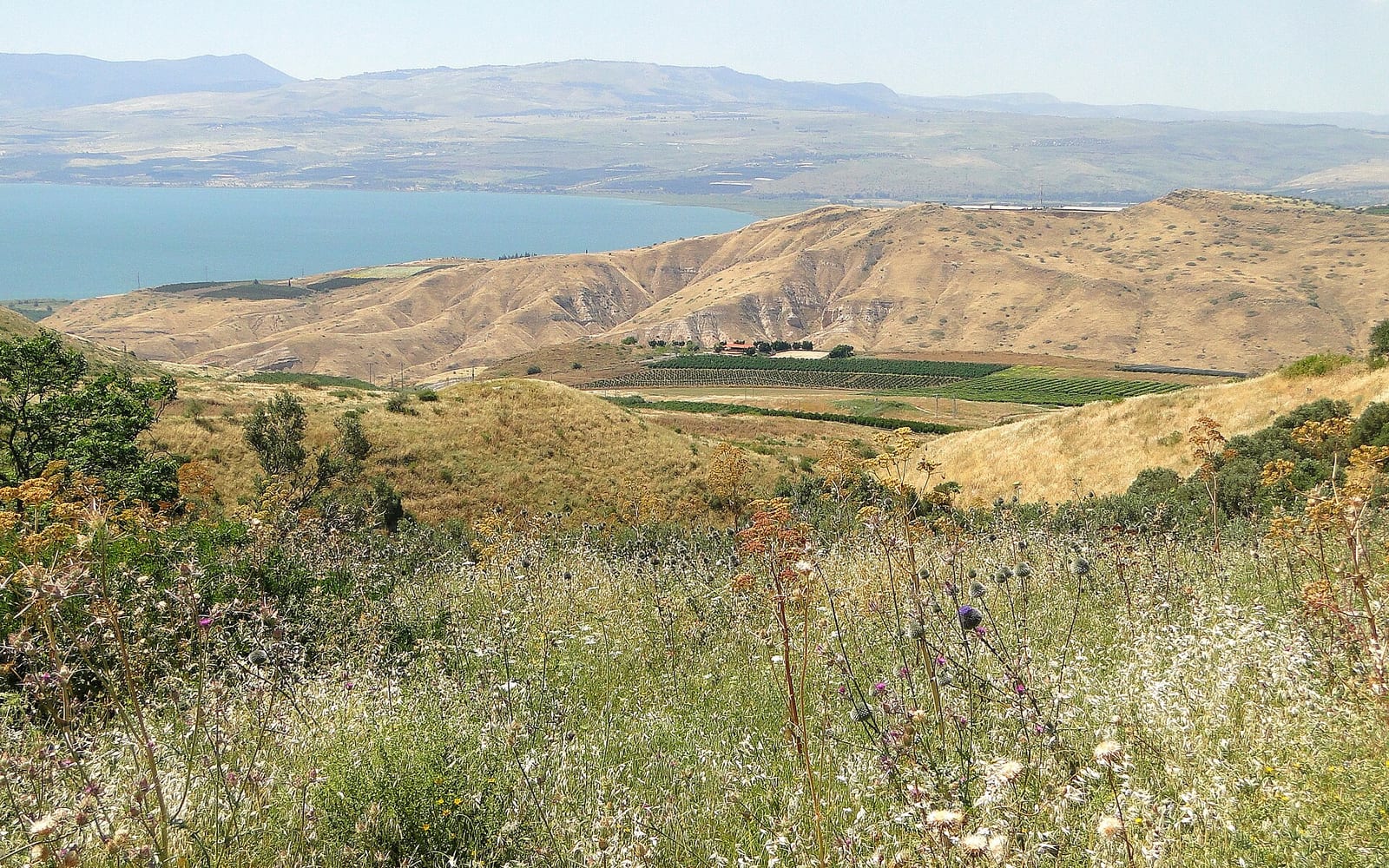
The Galilee is Israel’s most diverse culinary region: Arab-Christian mezze traditions in Nazareth, lakeside Saint Peter fish in Tiberias, Druze flatbread on Mount Carmel, boutique wineries across the Golan plateau, and a growing farm-to-table scene in the Upper Galilee highlands. Here is what to eat and where.
Saint Peter’s Fish — Tiberias lakeside
The Sea of Galilee’s signature dish is Saint Peter’s Fish (musht in Hebrew, a tilapia species found in the Kinneret). Restaurants along Tiberias waterfront — particularly the strip between the marina and the old city — serve it grilled whole, seasoned simply with lemon and herbs, accompanied by Israeli salad, tahini and fresh bread. It is one of the most atmospheric meals in Israel: lake views, warm evenings and a dish eaten here for centuries.
Practical note: The Sea of Galilee supports a wild-catch fishing industry but wild musht stocks are heavily managed; most fish served in restaurants today is farmed in Galilee aquaculture. This doesn’t diminish the flavour or experience — frame it as a culinary tradition, not a guarantee of wild catch.
Kibbutz Ein Gev on the eastern shore runs a popular lakeside restaurant with its own fish farm and a peaceful water-level setting away from the Tiberias crowds. Reachable by short ferry from Tiberias in summer.
Plan your time in the city with the complete Tiberias guide, and if staying overnight use the best hotels in Tiberias for lakefront options.
Nazareth — Arab-Israeli cuisine at its finest
Nazareth is the undisputed capital of Arab-Israeli fine cooking. The city’s restaurants draw on multi-century Levantine Arab-Christian traditions, Galilean seasonal produce and Ottoman culinary heritage to produce sophisticated mezze and main courses that go well beyond falafel clichés.
- Diana Restaurant — widely considered Nazareth’s finest restaurant; family-run by the Bulus family; Arab-Israeli mezze and grilled meats; reservations strongly recommended, especially weekends. Consistently cited in top-Israel restaurant lists.
- El Babour — a converted Ottoman-era flour mill in the old market, romantic stone setting; Eastern European-meets-Middle Eastern fusion; noted for its spice selection and degustation-style dining.
- The Nazareth Old Market — the old-city souk’s spice merchants stock za’atar, sumac, dried herbs and whole spices sold by weight at significantly lower prices than Jerusalem or Tel Aviv tourist markets. Buy to take home.
- Knafeh and Arabic sweets — look for knafeh (warm semolina pastry filled with salty cheese, soaked in orange-blossom syrup) at the sweet shops on the main street near the Basilica of the Annunciation. Halawet el jibn (cheese-cream rolls in rosewater) is the second great Nazareth sweet.
- Arabic coffee — qahwa (strong cardamom coffee, often served with dates) is the traditional hospitality drink; modern café culture alongside it is strong.
See the full Nazareth travel guide for planning, transport and what else to see.
Druze flatbread villages — Mount Carmel
The Druze villages of Daliyat al-Carmel and Isfiya on Mount Carmel (a 40-minute drive from Tiberias via Route 70, or easily combined with a Haifa visit) offer the most accessible Druze food experience in Israel.
Roadside stands and women-run cooperatives serve:
- Laffa (thick, soft flatbread baked on a dome-shaped saj griddle) — best eaten fresh, straight off the pan
- Labaneh — strained yoghurt cheese, drizzled with local olive oil and dusted with za’atar
- Olive oil tastings — the Carmel range produces excellent olive oil; cooperative shops sell small bottles of local oil
- Grape leaves, kibbeh and seasonal dishes — more substantial lunches at sit-down spots in the village centre
For a northern Druze experience, the Golan Heights village of Majdal Shams near Mount Hermon also has Druze food — combine with a Golan Heights visit. See the Druze villages of Mount Carmel guide for full village detail.
Golan Heights wine and artisan cheese
The Golan Heights plateau (900–1,200 m elevation, volcanic basalt soils, cool nights) produces some of Israel’s most celebrated wines. The key producers:
- Yarden Winery (Katzrin) — Israel’s most internationally recognised label; tasting room open to visitors; book ahead for weekend visits
- Gamla Winery — budget-friendly Golan label from the same group; accessible entry point
- Pelter Winery (Moshav Ein Zivan) — boutique, views across the plateau; small-production whites and reds
- Chateau Golan (Eliad) — ambitious producer with a full visitor experience
- Assaf Winery — cult small-batch producer; call ahead
Artisan cheese is a lesser-known Golan specialty: several Golan kibbutzim and moshavim produce goat’s and sheep’s milk cheeses sold at farm gates and Tiberias markets. Ask at the Tiberias daily market or any Upper Galilee farmstay for seasonal availability.
A self-drive wine circuit on the Golan is the most rewarding way to taste widely — plan a car rental and designate a non-drinking driver; Israeli drink-drive limits are strict (0.05% BAC). For the Upper Galilee half of the circuit — Galil Mountain Winery, Dalton and the Rosh Pinna plateau — see the Galilee wine trail guide. For a guided experience, see the CTA above.
Upper Galilee farm-to-table — Rosh Pina and beyond
Rosh Pina is the Galilee’s boutique dining hub: a restored 19th-century Ottoman village perched above the Hula Valley, with stone-lane restaurants that focus on Galilean produce, wood-fired cooking and seasonal menus. It makes a natural overnight base between Tiberias and the Golan.
The Galilee Culinary Institute at Kibbutz Gonen (opened February 2026) is the Galilee’s most significant new food project: a NIS 100M campus led by Chef Lior Lev Sercarz with a farm, restaurant, wine bar and cooking workshops. Combine it with the Hula Valley and Upper Galilee itinerary.
Farm stays and agritourism are widespread across the Upper Galilee: many kibbutzim and moshavim offer farm lunches, goat-cheese tastings, olive oil pressings and honey tastings, particularly in spring and autumn. Enquire at local tourist information or through Galilee-area accommodation.
Sea of Galilee beaches and the eastern shore
The eastern shore of the Sea of Galilee — quieter than the Tiberias western strip — has several informal lakeside eateries and picnic-friendly beaches. The stretch from Ein Gev north to Ma’agan has fish restaurants, camping facilities and seasonal corn-on-the-cob stalls (a Galilee summer staple). See the Sea of Galilee beaches guide and Sea of Galilee visitor guide for full orientation.
Practical tips
- Shabbat closures: Most Jewish-owned restaurants in Tiberias close Friday evening to Saturday night. Arab and Druze restaurants in Nazareth and the villages stay open throughout the week — useful for Friday night dining.
- Reservations: Diana in Nazareth and upscale Rosh Pina restaurants fill on weekends; book 3–5 days ahead in peak season (July–August, Sukkot week in October).
- Getting around: A rental car is by far the best way to combine Tiberias, Nazareth, the Druze villages and the Golan in a single food trip — public transport between these points is slow and infrequent.
- Guided food tours: A Galilee food day tour (see CTA above) typically combines 3–4 of these experiences with transport, guide and bookings handled — worth it if you have limited time or want context.
Plan your trip
The Galilee food circuit pairs naturally with a broader Galilee itinerary — see 3 days in the Galilee, the Galilee tours comparison, and the day trip from Haifa to Nazareth and the Sea of Galilee. For broader Israel food context, the Israeli food and cuisine guide covers the whole country. Wine lovers can extend into the Galilee & Golan wine trail self-drive guide or the broader Israel wine regions and winery guide.