October is the month Israel holds in reserve. After the summer crowds and before the winter rains, the country runs through the entire sweep of the Jewish High Holidays, fills the Golan Heights wine country with harvest activity, and opens the Negev desert for the first proper hiking of the season. Then the holidays end, prices drop by a quarter to a third, and a long, tranquil window opens in which you can do almost everything Israel offers under perfect conditions. This guide covers both phases of October — and how to navigate each.
October in two parts
Israeli October is not one month but two distinct travel experiences separated by the end of the Jewish holiday season.
Early October (holiday phase): Jerusalem and the Galilee are at peak domestic demand. The Jewish High Holidays — Rosh Hashanah, Yom Kippur, Sukkot, Simchat Torah — run from September into the first two weeks of October (exact dates vary annually; check chabad.org/holidays for your year). Hotels are full, Jerusalem’s Old City is vibrant and busy, and some sites operate reduced hours around the holiest days. This period is worth experiencing if you want the full High Holiday atmosphere — but book 3–4 months ahead and expect peak pricing.
Late October (post-holiday lull): Once Simchat Torah ends, a change comes over the country. Domestic Israeli travel slows sharply, hotel prices fall 25–40%, and tourist sites that were bustling become spacious and unhurried. The weather is ideal — warm days, cool evenings, no rain on the coast — and the Negev hiking season has just opened. This post-holiday lull, which runs from approximately mid-October through November, is the quietest and most pleasant comfortable-weather window in Israel’s travel year.
The Jewish High Holidays: what to expect as a visitor
Yom Kippur
Yom Kippur — the Day of Atonement — is the holiest day of the Jewish year, and experiencing it as a visitor is genuinely unforgettable even without a religious connection.
From the evening before sunset until nightfall the following day (approximately 25 hours), Israel undergoes a near-total shutdown. Businesses close, public transport stops, radio and television broadcast only religious programming, and private cars are strongly discouraged. The silence — in a normally noisy country — is surreal.
What fills it: Israel’s roads belong to cyclists. In Tel Aviv, families in white clothes ride bicycles on the Ayalon Highway. In Jerusalem, children pedal through the middle of downtown streets. The Western Wall plaza fills for Kol Nidre, one of the most solemn and moving prayers in Jewish tradition. For non-Jewish visitors, observing respectfully — dressing modestly, avoiding loud music or food in public — is both practical (restaurants are closed) and appropriate.
Plan for Yom Kippur like a quiet day: stock provisions the day before (supermarkets close by noon), choose a walking neighbourhood, and accept that the day itself will not follow a tourist itinerary. Many visitors describe Yom Kippur as one of the most distinctive days of their lives in Israel.
Sukkot and the Priestly Blessing
Five days after Yom Kippur, Sukkot begins — the most festive major Jewish holiday and one of the most colourful weeks in the Israeli calendar. Temporary dining huts (sukkahs) bloom on every restaurant terrace, apartment balcony, and courtyard. The markets fill with ritual plants: the tall lulav palm branch, the yellow etrog citron, myrtle, and willow. Jerusalem in particular transforms: the city feels ancient in the most present-tense way imaginable.
Birkat Kohanim (the Priestly Blessing) at the Western Wall during Sukkot is one of Israel’s most extraordinary public gatherings. Tens of thousands of people fill the Kotel plaza at dawn as kohanim (priestly-lineage Jews) extend their tallitot over the assembled crowd and chant the three-verse blessing. The sound is unlike anything else. Arrive no later than 6:30am for any position near the front; arrive by 5:30am if you want the plaza proper. This happens twice during Sukkot — check the exact mornings at the Western Wall Heritage Foundation (thekotel.org).
Hotel prices in Jerusalem spike 30–50% during Sukkot week. Book 3–4 months ahead. The traveling in Israel during Jewish holidays guide has full logistics for managing the holiday calendar. For a Jerusalem-specific deep dive — the Jerusalem March, Tower of David Sukkot programming, and Old City hotel strategy — see the Sukkot in Jerusalem guide. For Tel Aviv’s take on the holiday — Hayarkon Park concerts, Mediterranean beach swimming, and sukkah-terrace dining — see the Sukkot in Tel Aviv guide.
Wine harvest season
October is the peak of the Israeli wine harvest, and the Golan Heights and Galilee are the best places in the country to experience it.
Golan Heights wineries
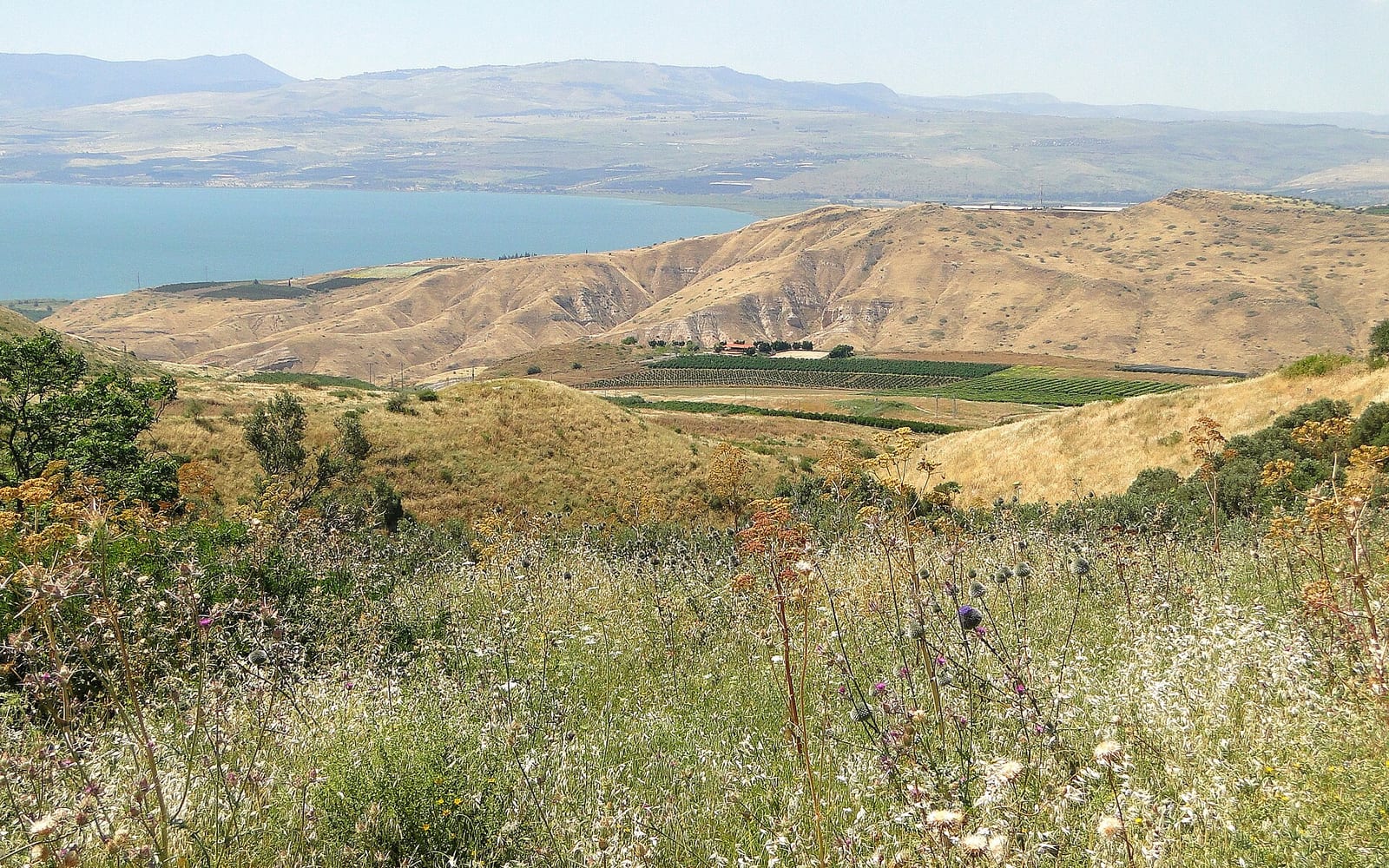
The Golan’s high-altitude vineyards (800–1,100m) harvest later than the lowland regions, with the Cabernet, Merlot, and Syrah pickings running through mid-to-late October. Yarden Winery in Katzrin is the natural anchor: open to walk-in visitors Sunday–Thursday and Friday mornings, with structured tastings in a purpose-built visitors’ centre and views over the plateau. The tasting room is excellent and the quality is consistently high — Yarden’s Cabernet Sauvignon ranks among Israel’s most internationally recognised wines.
Chateau Golan in Eliad and Assaf Winery near Mitzpe Gadot are boutique producers that offer harvest participation in October — pressing grapes alongside the winemaker. Both require advance appointments (2–3 weeks ahead). Pelter Winery near Moshav Tifra runs structured tastings by appointment.
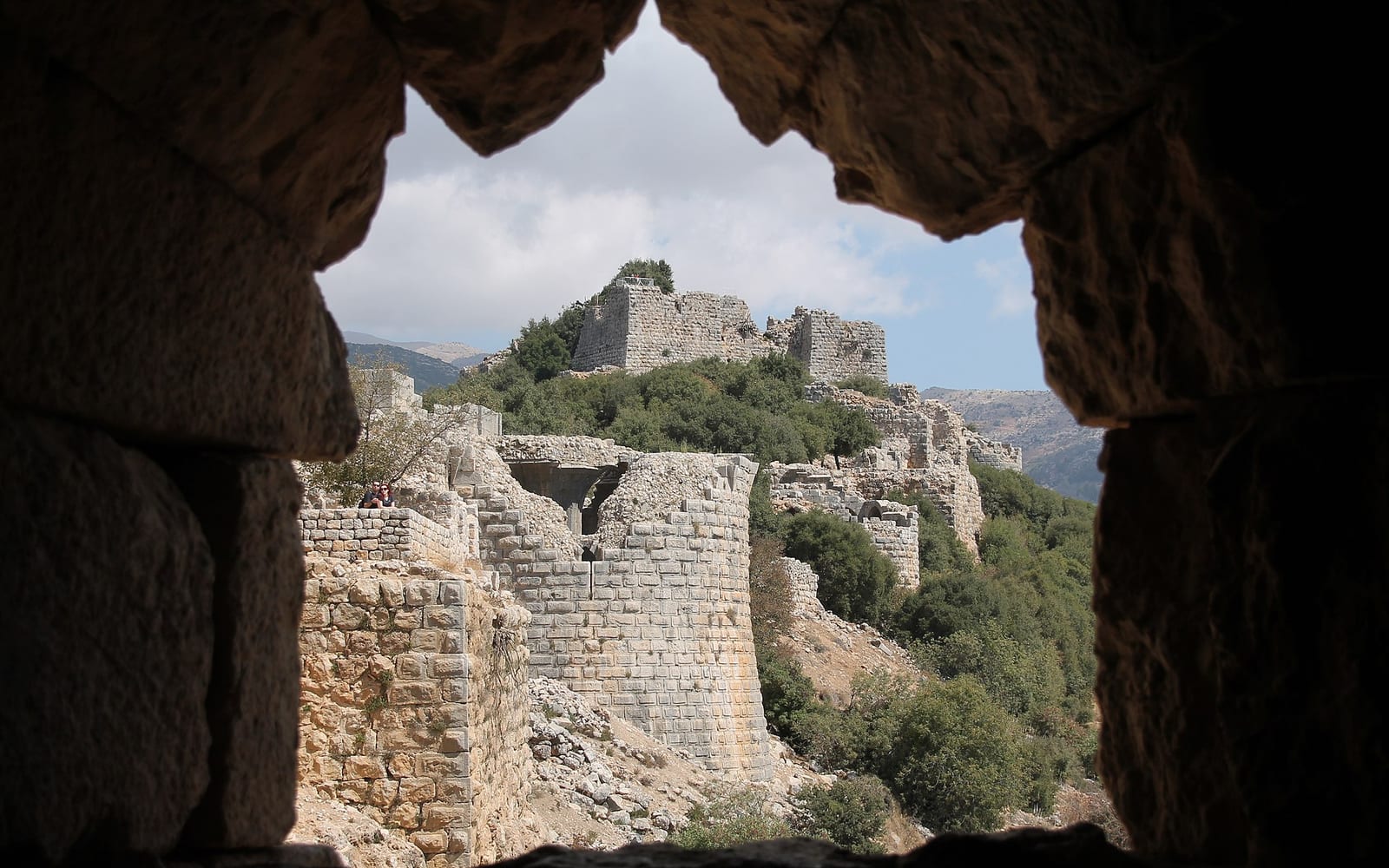
The Golan wine circuit is best done by car. Plan a morning tasting at Yarden (walk-in) followed by an appointment at a boutique producer in the afternoon. Combine with the Golan Heights region guide for the full circuit including Nimrod Fortress and Banias waterfall.
Galilee and Judean Hills
Galilee boutique producers in the Upper Galilee (Dalton Winery, Tzora, Recanati) finish their harvest through mid-October. The Judean Hills — home to Israel’s critically acclaimed fine-wine producers (Flam, Domaine du Castel, Sphera, Cremisan in Bethlehem) — typically complete harvest in early October. All require appointments for tasting visits; plan at least two weeks ahead.
See the full regional breakdown and producer contacts in the Israel wine and wineries guide.
The Negev reopens: desert hiking season
Trail hiking in the Negev closes in late May due to extreme summer heat and officially reopens in October — making this one of October’s most significant events for active travellers.
Early October (first two weeks): daytime temperatures in the Makhtesh Ramon area still reach 30–35°C, requiring very early starts (before 8am). The evenings cool rapidly, and sunrise at the crater rim is already excellent.
Mid-to-late October: full-day hiking is comfortable. Temperatures settle to 22–28°C in the crater, and the desert light — flat, golden, and long — is at its most photogenic.
Key October hiking targets:
- Makhtesh Ramon rim trail: the circumnavigation of Israel’s largest erosion crater (40km full circuit; sections from 4–8km). The crater geology in autumn light is extraordinary.
- Nahal Zin canyon: from Ein Avdat spring (carved white limestone canyon, ibex at the water) southward — the desert green after any early rain.
- Incense Route cities (Avdat, Mamshit, Shivta, Haluza): UNESCO World Heritage Nabataean trading cities scattered across the Negev highlands; each accessible in half a day with an Israel National Parks Pass.
See the Mitzpe Ramon guide for practical logistics and accommodation options on the crater rim.
Hula Valley: the crane migration begins
The Agamon HaHula wetland in the northern Galilee marks the start of one of the world’s great wildlife events in late October. The first Eurasian Cranes arrive from around October 25–28, and by early November the numbers begin building toward the peak (35,000–50,000 birds in November, with up to 100,000 passing through over the full season).
Late October at Agamon HaHula: the crane numbers are modest compared to November, but you are arriving before the crowds. The self-guided 11km circuit (bicycle rental available on-site) is excellent in the autumn light, and other species — marsh harriers, pelicans on southward migration, kingfishers, and wintering ducks — are already present.
The Sunrise Safari wagon (KKL-JNF-operated tractor wagon; departs at approximately 5:15am and returns by 8am) reaches the crane roost before dawn as the birds take flight with the sunrise. Even with modest October numbers, the experience is striking and far less booked than the November peak weeks. Book at least 2–3 weeks ahead via agamon-hahula.co.il.
For the peak crane spectacle, see the Israel in November guide and the dedicated Hula Valley crane migration guide — which covers Agamon HaHula logistics, Sunrise Safari booking, and where to stay in the Upper Galilee. The full birdwatching in Israel guide covers species, Eilat, and the wider birding calendar.
October events calendar
InDNegev Festival is an outdoor music and arts festival in the northern Negev desert, typically held in mid-October. It takes place at Kibbutz Ruhama near the Darom Adom anemone fields and features Israeli and international acts across several stages, with camping on site. Exact dates and line-up are announced annually — check the official site closer to the year. Note: the event site is in the southern periphery near the Gaza border region; consult is-israel-safe.md for current context before travelling.
Western Wall Birkat Kohanim (Sukkot, early October): see the Jewish holidays section above. One of the most attended public gatherings in Israel.
Golan Heights harvest festivals: Yarden Winery and several boutique Golan producers run harvest-adjacent tastings and events in October. No single consolidated festival; check individual winery websites.
Haifa International Film Festival (October 1–10): Israel’s oldest and largest film festival — 280+ screenings, free outdoor evenings in public squares, and 300,000+ attendees — runs across Cinematheque Haifa and city venues. The 41st edition opens October 1, 2026, during Sukkot Hol HaMoed. See the full Haifa International Film Festival guide for tickets and visiting logistics.
The post-Sukkot lull: Israel’s best-kept secret
Once Simchat Torah ends (typically the second week of October, exact date varies), a shift occurs across Israel that most international visitors never witness: the country becomes very quiet, very affordable, and very pleasant.
What changes: domestic Israeli travel falls sharply (most Israelis take their major trip during the holidays, not after). Hotels in Jerusalem, Tel Aviv, and the Galilee drop rates by 25–40%. The Western Wall plaza returns to its everyday scale rather than the Sukkot thousands. Masada, Ein Gedi, and the national parks have their mid-season crowd levels. Tel Aviv’s beaches still have 25°C sea water and emptier than summer.
This two-to-three-week window — the post-Sukkot lull — is the strategic opposite of the Passover/Easter period: the weather is just as good, the key sites are operating normally, and you share them with far fewer people at substantially lower cost. For independent travellers who find the High Holiday season logistically complex, this window is simply the best time in the Israeli travel year.
Practical October planning
Weather packing
- Coast (Tel Aviv, Haifa): 22–27°C days, 18–21°C evenings. T-shirts in the day, a light layer for evenings.
- Jerusalem: 18–24°C days, 12–16°C evenings. A light jacket is needed for evenings, especially after Sukkot.
- Galilee / Golan: 15–22°C, occasional rain from late October in the north. Pack a wind layer for highland winery visits.
- Negev / Eilat: 28–35°C early October, 22–30°C late October. Desert sun is deceptive — SPF50 always.
- Sea temperature: 25–26°C in early October; 23–24°C by month’s end. Beach swimming is genuinely pleasant.
Booking logistics
- Sukkot period hotels: book 3–4 months ahead in Jerusalem. Mid-range Jerusalem options sell out first.
- Post-Sukkot hotels: standard 4–8 weeks lead time is comfortable; prices are significantly lower.
- Golan boutique wineries: 2–3 weeks ahead for appointments.
- Agamon HaHula Sunrise Safari: 2–3 weeks ahead in late October; November books out faster.
- Negev hiking permits: no permit required for most Negev trails (INPA-managed sites covered by National Parks Pass or separate entry fee).
Shabbat and holiday closures
October includes multiple full Jewish holiday closures (Yom Kippur, first/last days of Sukkot, Simchat Torah) in addition to regular weekly Shabbat. On each: public transport stops, most businesses close, and national parks may have reduced hours. Use the Shabbat in Israel guide to understand which days have full closures during your dates.
Where October fits in the bigger picture
October is the bridge between Israel’s summer peak and winter quiet. The seasonal guides provide the full picture:
For independent travel planning by day and by region, the Israel Shabbat guide covers holiday and Shabbat closures when planning your available activity days.