November is the month Israel quietly saves for those who know where to look. No holidays to navigate, no summer crowds, no extreme heat — just mild weather, some of the country’s most spectacular wildlife, a 5,000-year-old harvest tradition, and a deeply uncrowded version of every major site. This guide is for the traveller who has heard that October is the shoulder season and wonders if November might be better still. The answer: for the right itinerary, it is.
Why November works
Three things converge in November that make it exceptional:
The Hula Valley crane migration peaks. Up to 50,000 Eurasian Cranes roost overnight at Agamon HaHula in the northern Galilee. The pre-dawn spectacle — tens of thousands of birds lifting off the water as the sun rises — is one of the great wildlife events in the Middle East, and November is its climax.
Olive harvest festivals run across the Galilee. Israel’s ancient olive culture surfaces for public participation in Olive Branch Days, a multi-week festival of picking, pressing, tasting, and walking through orchards that have been tended for millennia. The olive press is the oldest agricultural machine in continuous use, and November is when it runs.
The country is quiet and affordable. The Jewish High Holiday season ended in mid-October. Domestic Israeli tourism slows. Hotels drop rates. National parks have room. November is not empty — the major sites and restaurants operate fully — but it has the unhurried quality that peak-season travellers spend years searching for.
The crane migration: Agamon HaHula
The Agamon HaHula wetland reserve in the northern Galilee is the primary feeding and roosting site for up to 500 million migratory birds passing through Israel’s section of the Great Rift Valley each year. November is the crane month.
What to expect
Eurasian Cranes — grey, stately birds standing over a metre tall with wingspan approaching two metres — arrive from their breeding grounds in Scandinavia, Russia, and Eastern Europe from late October onward. Numbers build through November, reaching their peak of 35,000 to 50,000 roosting cranes simultaneously in the second half of the month. The full migration season (October through January) can see over 100,000 cranes pass through; November consistently has the highest instantaneous count.
The experience has two modes:
Sunrise Safari wagon: The signature Agamon HaHula experience. A KKL-JNF-operated tractor wagon departs at approximately 5:15am and reaches the crane roost site before first light. As dawn breaks, tens of thousands of cranes take off in rolling waves — the noise, movement, and scale are genuinely overwhelming. The wagon returns by 8:00am. Book at agamon-hahula.co.il — November weekends sell out 4–6 weeks in advance. Weekday slots are slightly more available but still require advance booking.
Self-guided circuit: The 11km paved cycle and walking path around the reserve is accessible from the main entrance daily during reserve hours. Bicycle rental is available on-site. The evening hours — when the cranes return to the roost — offer a different but equally dramatic angle. The self-guided route also visits the Water Buffalo Field, a conservation breeding area visible from the path, and multiple elevated bird-hides with views across the reed beds.
Practical logistics
- Reserve hours: typically 6:00am–5:00pm in November; check agamon-hahula.co.il for exact seasonal hours.
- Entry fee: separate from the Sunrise Safari; bicycles cost extra. The Israel National Parks Pass does not cover Agamon HaHula (it is KKL-JNF managed, not INPA).
- Getting there: the reserve is located near Yesud HaMa’ala in the Upper Galilee, approximately 35km north of Tiberias. Self-driving is easiest (car rental from Tel Aviv or Tiberias); the Israel car rental guide covers options and licence requirements.
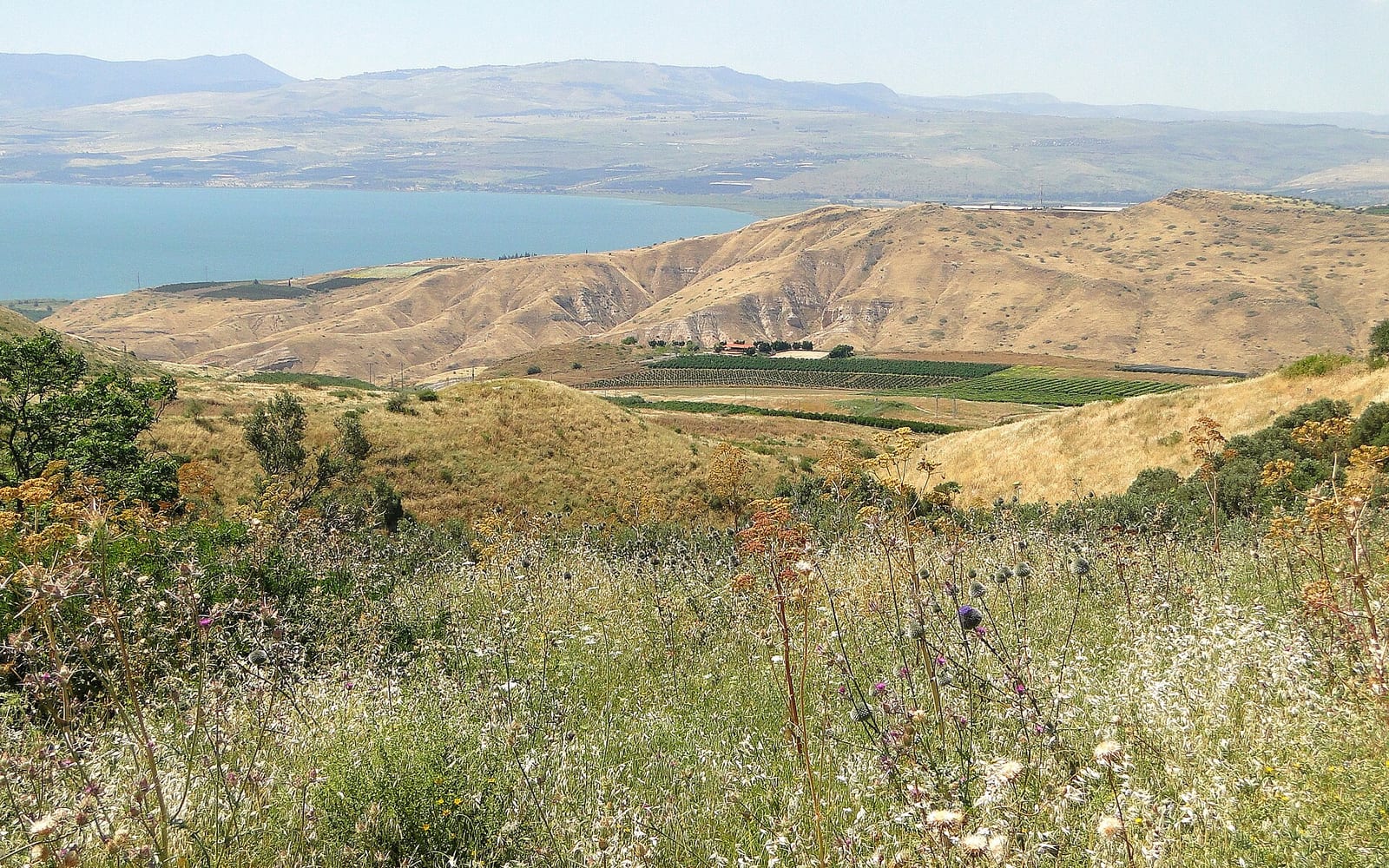
- Combine with: Rosh Hanikra grottos (45 min northwest; check cable car status before visiting), Acre/Akko, or the Sea of Galilee.
Olive Branch Days: the harvest festival
Olive Branch Days (Yamei Zayit) is Israel’s annual multi-week celebration of the olive harvest, running across the Galilee, Golan Heights, and Jezreel Valley from late October through mid-to-late November. The 2026 edition marks the 30th anniversary of the event.
What the festival involves
The programme varies by year and by participating farm, but typically includes:
- Hands-on picking: visitors join family farms for traditional olive harvest — hand-raking branches over nets spread beneath the trees. November light on silver-leafed olive groves in the Galilee is as fine as agricultural scenery gets.
- Stone-press demonstrations: ancient millstones pressing olives to paste, the paste layered on pressing mats, the first cold-pressed oil emerging. Some farms run antique stone mills; others use modern cold-press equipment alongside a heritage demonstration.
- Fresh oil tasting: November is the only month you can taste freshly pressed extra-virgin olive oil before it has had time to settle. Early-harvest oil is grassy, peppery, and intensely flavoured — a different product from the bottled version.
- Accompanied hikes: guided walks through olive orchards covering the history of cultivation, the varieties grown in Israel (Barnea, Souri, Picual), and the ecology of old-growth olive trees — some in the Galilee are over 1,000 years old.
- Artisan markets: farm markets selling olive oil, olive-wood products, za’atar, pickled olives, and Galilean cheeses.
Where events concentrate
The heaviest concentration of events is in the Galilee — particularly around the Bet Netofa Valley, lower Galilee hills, and northern valleys. Golan Heights events cluster around kibbutzim and moshavim near Katzrin. Jezreel Valley events are accessible from Haifa.
Event details — specific dates, farm names, and booking — are announced annually through the Israel Ministry of Tourism and aggregated by goodtimes.co.il. HONESTY: the specific programme varies each year and is not fixed until the season begins; always verify the current year’s schedule before planning travel around a specific event.
Combine olive harvest experiences with the Galilee region guide and Israel wine guide — many Galilee farms produce both olive oil and wine.
November in Jerusalem
November brings a different character to Jerusalem. The city emerges from the intensity of the High Holiday season, the cultural institutions reopen their autumn exhibition programmes, and the stone streets are cool and unhurried.
What changes in November:
- Museum attendance drops from Sukkot-week peaks; the Israel Museum, Bible Lands Museum, and Yad Vashem are comfortable without booking in advance (though Yad Vashem pre-registration is always recommended for respectful planning).
- The Mahane Yehuda market transitions from holiday-mode abundance to everyday Jerusalemite life — arguably more authentic for independent visitors.
- The Old City’s four quarters are walkable without the summer or holiday-season press. The Armenian Quarter in particular is quiet in November, and the November light on the golden Jerusalem stone is at its most photographic quality.
- First rains (typically arriving in early-to-mid November) make the Judean Hills green. A walk along the Ramparts Walk or a visit to Ein Kerem village is particularly atmospheric after the first winter rain.
What to be aware of:
- The first rains can make the stone streets of the Old City slippery; good walking shoes matter.
- Evening temperatures (8–12°C) require a proper jacket — Jerusalem evenings in November are noticeably colder than the coast.
- Check the Israel Shabbat calendar tool for Friday-Saturday closures; the Mahane Yehuda market closes Friday afternoon and is quiet on Saturdays.
Tel Aviv in November
November is one of Tel Aviv’s most pleasant months. The summer heat is gone, the humidity has dropped, and the Mediterranean light in November — lower and warmer — is excellent for the city’s beachfront promenade.
Outdoor dining: Tel Aviv’s restaurant culture moves back outdoors in November. The Rothschild Boulevard and Florentin neighbourhood terrace scenes are at their most convivial. The temperature on Tel Aviv evenings (16–20°C) is warm enough for outdoor dinner without summer-level heat.
Markets: the Nahalat Binyamin Arts & Crafts market (open Tuesday and Friday, Tel Aviv’s oldest artisan market) is excellent in the cooler November weather. The Carmel Market, the Sarona Market, and the weekend farmers’ markets at Park Hayarkon all run normally.
Beach: the Mediterranean is around 22–23°C in November — colder than summer but swimmable for ocean-comfortable travellers. The Tel Aviv beachfront promenade (tayelet) is genuinely lovely in November, with the beach to yourself compared to July.
Theatre and culture: November marks the opening of Tel Aviv’s cultural season. The Cameri Theatre and Habima National Theatre run new productions; the Tel Aviv Museum of Art (TAMA) has autumn exhibitions. For visitors interested in Israel’s contemporary arts scene, November is a more active month than summer.
The Negev and Eilat: warm-weather escape
If the Galilee is wet and the Jerusalem mornings are chilly, the south remains warm and dry through November.
Negev highlands (Mitzpe Ramon): November is prime Negev hiking. Temperatures in the Makhtesh Ramon area sit at 18–24°C by day and 5–10°C at night — ideal for full-day hiking without heat constraints. The desert light in November (lower sun angle) is excellent for photography. Key routes: Makhtesh Ramon rim sections, Nahal Zin canyon from Ein Avdat, and the Incense Route UNESCO sites (Avdat, Mamshit). See the Mitzpe Ramon guide for crater logistics and rim accommodation.
Eilat: at 25–30°C in November, Eilat is in its prime. The snorkelling and scuba diving at the Coral Beach Nature Reserve is at year-round best — visibility is excellent, the water is 23–24°C, and the summer crowds that pack the beaches are gone. The Eilat beach guide covers the beach zones and how to access the coral reef area. Flights from Tel Aviv (30 min, El Al/Arkia/Israir) or buses from Jerusalem (3h) make Eilat a genuine week-ending escape from the north.
Dead Sea: 25–30°C in November with bright sun. The Dead Sea resorts are quieter and more affordable than the holiday periods. November is a comfortable month for combining the floating spa experience with the Ein Gedi nature reserve — the canyon hike to David’s Waterfall is genuinely pleasant at November temperatures. Book Ein Gedi reserve entry in advance via inpa.gov.il (advance booking required, limited daily capacity).
November events calendar
Agamon HaHula Crane Festival: the migration period itself is the event — no single festival date, but the reserve is at peak activity throughout November. The annual bird festival typically organised around the migration period may have scheduled events; check agamon-hahula.co.il for the current year’s programme.
Olive Branch Days (Yamei Zayit): runs late October through mid-November across the Galilee and Golan. See above for details; verify current-year dates at goodtimes.co.il.
Tel Aviv cultural season: Cameri Theatre, Habima, and Tel Aviv Museum of Art all begin their autumn programmes in November. Check individual venue websites for current schedules.
Red Sea Jazz Festival Eilat: four evenings of open-air jazz and world music on the North Beach waterfront each November, drawing 70,000 attendees. See the Red Sea Jazz Festival guide for 2026 dates and hotel strategy.
Eilat Chamber Music Festival: the companion classical festival — a multi-day programme of chamber music, orchestral works, opera highlights, and world music in Eilat’s indoor concert halls and waterfront stages, held in late November or December. See the Eilat Chamber Music Festival guide for details.
Eilat Marathon: the Eilat International Marathon typically falls in late November or early December (exact date varies by year). The course runs along the Red Sea waterfront. If your November visit coincides with marathon weekend, book Eilat accommodation well in advance — the city fills with Israeli runners.
Practical November planning
Weather packing
- Coast (Tel Aviv, Haifa): 18–24°C days, 14–18°C evenings. Light jacket needed for evenings; an umbrella for rare coastal rain.
- Jerusalem: 12–18°C days, 8–12°C nights. A proper warm jacket is necessary — November Jerusalem evenings are genuinely cold. Rain gear for the morning walks through the Old City.
- Galilee / Golan: 10–17°C, rain is likely, especially in the Upper Galilee. Waterproof jacket essential; layers for highland birding.
- Negev / Eilat: 18–24°C (Negev) and 25–30°C (Eilat) — warm and dry. Standard desert kit: SPF50, sun hat, sturdy footwear.
- Dead Sea: 25–30°C, very dry. Swimsuit and towel, plus a warm layer for evenings.
Booking priorities
- Agamon HaHula Sunrise Safari wagon: book immediately (4–6 weeks ahead for November weekends; sometimes 2–3 weeks for weekdays). This is the single most time-critical booking for a November itinerary.
- Jerusalem and Tel Aviv hotels: standard 3–6 weeks lead time is usually sufficient; boutique properties benefit from 4–6 weeks.
- Eilat hotels around marathon weekend: 6–8 weeks ahead if dates overlap.
- Ein Gedi Nature Reserve entry: advance booking via inpa.gov.il required.
- Olive Branch Days farm visits: check goodtimes.co.il for the current programme once it is published (typically announced 3–4 weeks before the season).
Holiday and Shabbat considerations
November has no major Jewish holidays, which means the only weekly closures are the regular Shabbat (Friday sunset through Saturday nightfall). Most tourist sites in Jerusalem and Tel Aviv operate with reduced hours on Saturdays, and public transport stops in Jewish cities. The Israel Shabbat calendar tool shows specific closure windows for any date.
Where November fits in the bigger picture
November sits at the hinge between Israel’s autumn golden window and the beginning of winter. The surrounding seasonal guides put it in context:
For day-by-day availability planning accounting for Shabbat closures, the Israel effective days calculator shows how many usable tourist days your itinerary contains.