December is Israel’s most layered month. Hanukkah lights the public squares and fills the bakeries with sufganiyot doughnuts. Bethlehem prepares for Christmas midnight mass. Haifa”s Wadi Nisnas neighbourhood hosts the only festival in the Middle East that openly celebrates Hanukkah, Christmas, and New Year as a unified event. And Eilat sits warm and sunny at 26°C while European winter settles in. No other month offers this range of simultaneous experiences.
December in two modes
December divides naturally across geography and purpose:
Holiday-culture December (Jerusalem, Bethlehem, Haifa, Tel Aviv): The Old City of Jerusalem carries genuine atmosphere in December — the Hanukkah menorahs lit at the Western Wall, pilgrims arriving in the Christian Quarter, the ancient stone setting made even more resonant by the winter light. Bethlehem on Christmas Eve is an experience unlike anywhere else. Haifa”s Holiday of Holidays festival runs through the month.
Winter-sun December (Eilat, Dead Sea, Negev): The Red Sea coast and the desert are at their best in December. Eilat is genuinely warm and beach-viable. The Dead Sea is the most comfortable it is all year. Negev hiking conditions are excellent. These destinations draw Israeli families during the Hanukkah school break and European visitors escaping winter.
Hanukkah
Hanukkah — the Festival of Lights — is an 8-night holiday celebrating the rededication of the Temple in Jerusalem in 165 BCE. It is not a major religious observance in the same category as Yom Kippur or Rosh Hashana, but it is one of the most publicly joyful and visible celebrations in Israel”s calendar.
What to expect as a visitor
Public menorahs (Hanukkiot): Each night of Hanukkah, large public menorahs are lit in public squares across the country. The most significant ceremony happens at the Western Wall plaza in Jerusalem, where a giant Hanukkiah is lit as the sun sets — a genuinely moving sight against the ancient stones. Other major public lightings take place at Dizengoff Square in Tel Aviv, Haifa”s City Hall, and the major squares of cities throughout Israel.
Sufganiyot: Israel”s bakeries fill with sufganiyot — jam-filled or cream-filled doughnuts — from late November onwards. By Hanukkah itself, every supermarket, café, and street stall sells them. This is a genuine food experience — the range of flavours (classic strawberry jam, vanilla cream, halva, dulce de leche, pistachio) has expanded into serious artisan territory. The Machane Yehuda shuk in Jerusalem and the Carmel Market in Tel Aviv are the best places to sample.
Latkes (levivot): Fried potato pancakes are the other Hanukkah food — the fried-foods tradition commemorates the miracle of the oil. Many restaurants add Hanukkah-specific fried dishes to their menus.
What stays open: Almost everything. Shops, restaurants, museums, public transport, and national parks all operate normally throughout Hanukkah. The school holiday (typically 9 days covering all 8 nights) means Israeli family travel peaks — book Eilat and Dead Sea accommodation well ahead if you”re travelling over the break.
Dates shift annually: In 2026, Hanukkah runs December 4–12. In 2027, it falls December 24–January 1 (an unusual overlap with Christmas). Always verify the current year”s dates at hebcal.com or chabad.org/holidays.
For a dedicated visitor guide — what to see in Jerusalem and Safed, the Torch Relay, what stays open, and Shabbat overlap logistics — see the Hanukkah in Israel guide.
Christmas in Israel
Israel hosts Christmas across three traditions, with three different dates — something most visitors don”t realise.
Latin (Catholic) Christmas — December 24–25
The most attended Christmas Eve celebration is the midnight mass at the Church of the Nativity in Bethlehem — one of Christianity”s most ancient and sacred sites, built over the traditional birthplace of Jesus. The mass is for the Catholic rite and requires advance pilgrimage registration through the Custody of the Holy Land.
Manger Square outside is accessible to all — and the atmosphere is extraordinary. Carol singing, nativity scenes, nativity floats, and thousands of pilgrims from across the world gather at one of the holiest locations in the Christian world. You do not need to enter the church to experience the December 24 atmosphere.
Getting there: The main crossing is Checkpoint 300, typically a 5-minute crossing for tourists with passports and Israeli entry documentation. Allow 30 minutes on Christmas Eve due to crowds. Ministry of Tourism free buses from Jerusalem central to Bethlehem have typically run on December 24–25 — verify each year with the Israeli Ministry of Tourism as the service is not guaranteed and the pickup points change.
For full logistics — pilgrim registration, crossing timing, Jerusalem Old City atmosphere — see the Christmas in Israel guide.
Nazareth Christmas: Israel’s largest Arab-Christian Christmas celebration also falls in December: the December 12 tree lighting at Mary’s Well Square, a week-long Christmas Market (Dec 12–19), the Christmas Eve parade on December 24, and Annunciation Mass on December 25. For the full programme see the Christmas in Nazareth guide.
Greek Orthodox Christmas — January 6–7
The Greek Orthodox Christmas follows 13 days after the Latin celebration. The service at the Church of the Nativity is smaller and significantly less crowded — an intimate ceremony with fewer international tour groups. If you are Orthodox or simply prefer a less crowded experience of Bethlehem, this date is often more accessible and atmospheric.
Armenian Christmas — January 18–19
The Armenian Apostolic Church celebrates Christmas on January 18–19. The Armenian Quarter of Jerusalem”s Old City — the smallest and quietest of the four quarters — marks its major annual celebration with services at the Cathedral of St James. This is one of the least-visited major religious celebrations in Jerusalem and can be a genuinely singular experience for visitors interested in the diversity of Christian traditions in the Holy Land.
Haifa”s Holiday of Holidays
The Holiday of Holidays (Chag HaChagim) is Haifa”s annual interfaith winter festival and one of Israel”s most unusual events.
Held in the Wadi Nisnas Arab neighbourhood in the lower city, the festival runs through the last two to three weeks of December, coinciding with Hanukkah, Christmas, and the secular New Year. It brings together Jewish, Christian, and Muslim residents and visitors in a street celebration that is explicitly designed around coexistence — a concept Haifa has actively cultivated for decades.
What the festival includes
Street stalls selling traditional food from all three communities. Live music and folk performances. Art exhibitions in community galleries. Children”s activities. The Wadi Nisnas neighbourhood itself — a labyrinth of Arab-style stone houses, family restaurants, and small shops — is one of Haifa”s most characterful areas year-round; during Holiday of Holidays it becomes a destination in its own right.
Practical: The festival is free to attend. It runs across multiple weekends through December. Exact dates and programming vary annually — verify at the Haifa Municipality website (haifa.gov.il) before planning. Haifa is easily reached from Tel Aviv by train (about 55 minutes, excellent frequency) and from Jerusalem by train or bus (about 2 hours).
Eilat and the Red Sea in December
December is one of the two best months to visit Eilat — the other is March.
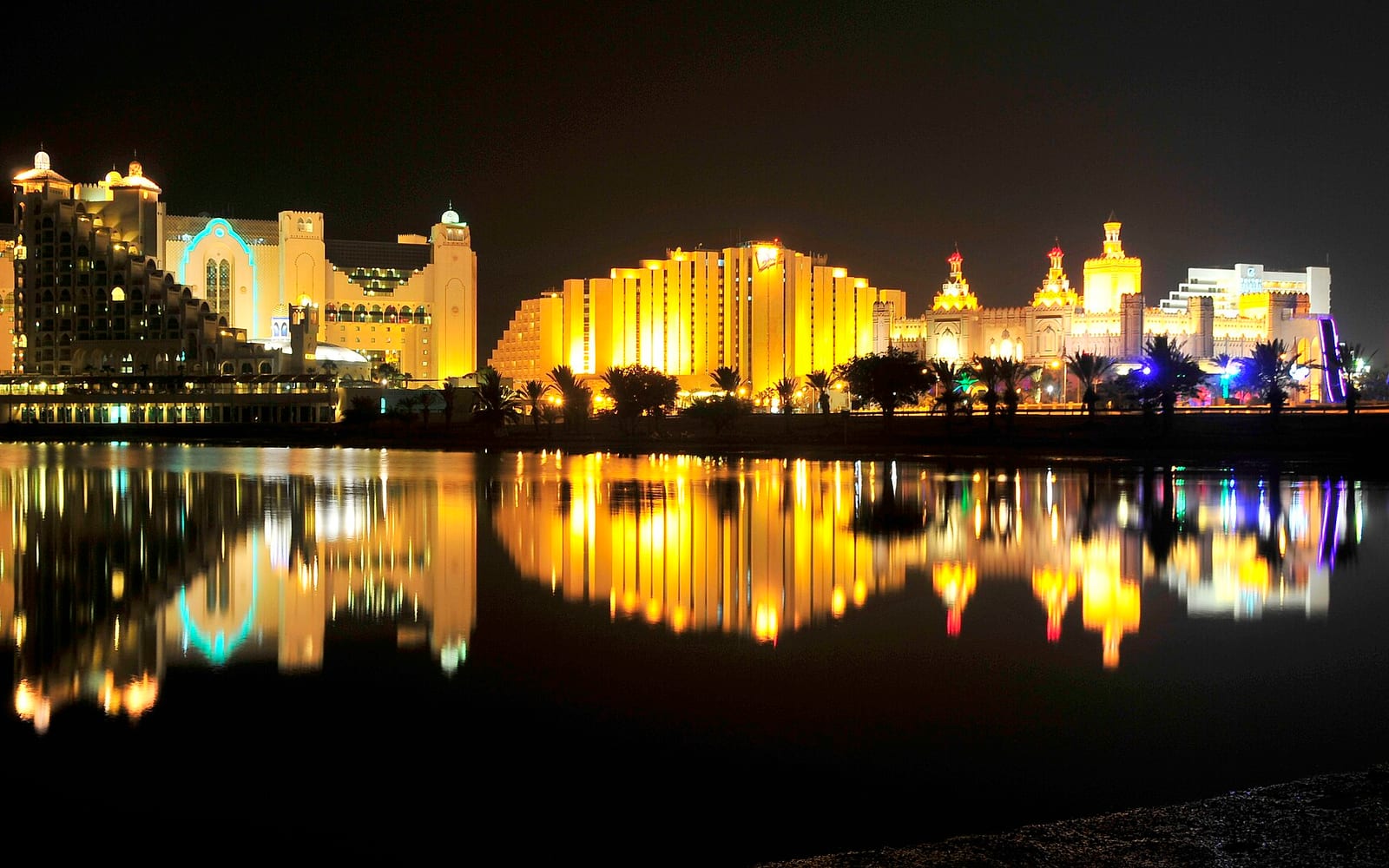
The Red Sea water temperature sits at 24–26°C: excellent for swimming, diving, and snorkelling. The surrounding air temperature is 26–30°C in the day, cooling to 16–18°C at night. This is Eilat at its most human-scale — warm and sunny without the 42°C extremes of July that make any outdoor activity before 7am or after 4pm difficult.
Diving and snorkelling
The Coral Beach Nature Reserve — Eilat”s protected reef ecosystem — is at its best in winter. The water clarity is excellent, the sea is calm, and the cooler temperature is far more comfortable in a wetsuit than summer. A 5mm wetsuit is recommended in December for longer dives.
Marine life in December: Napoleon wrasse, parrotfish, and lionfish are year-round residents. December often brings clearer visibility than August as the summer plankton blooms subside. The reef itself — 1.2km of protected coral — is accessible by snorkel from the shore of the nature reserve.
The Hanukkah booking crunch
Eilat is the most popular Israeli school-holiday destination in December. During the Hanukkah school break, beachfront hotels book out weeks in advance. If you are travelling to Eilat over Hanukkah (dates vary — check hebcal.com), book 6–8 weeks ahead for any beachfront or north beach property. Outside the school holiday peak, December availability is significantly better.
See the Eilat travel guide for the full accommodation landscape and activity map.
The Dead Sea in December
The Dead Sea is at its most comfortable in December. Water temperature is 22–24°C — warm enough to float without the shock of winter cold, and far more pleasant than the 43°C extremes of peak summer.
The Ein Bokek resort strip is quieter in early December than during Hanukkah and significantly quieter than July. The winter light over the Dead Sea — flat and reflective, the Jordan mountains grey in the distance — is different from summer”s hard brightness and works well for photography.
Winter advantages: The Dead Sea”s therapeutic mud is available year-round; the winter float is especially popular with European visitors seeking warm relief. The surrounding Judaean Desert takes on a different character in winter — intermittent rain briefly greens the hillsides near Ein Gedi, and the afternoon light turns golden earlier.
Hanukkah impact: Like Eilat, the Dead Sea resort hotels fill during the Hanukkah school break. Book ahead if your dates coincide.
See the Dead Sea guide for beach choices, accommodation tiers, and floating tips.
Jerusalem in December
Jerusalem is cold and atmospheric in December — the most complex of Israel”s major cities to visit in winter but also the most rewarding for the right itinerary.
Temperatures and atmosphere
Temperatures in December: 12–16°C daytime, 5–8°C evenings. Carry a warm jacket. Jerusalem can receive genuine rain in December — it is the rainiest month of the year alongside January. Snow is rare but possible; when it falls on the Old City, it creates an experience that visitors remember for a lifetime.
The Old City in December
The Old City in December carries a layered atmosphere that no other month matches. The Western Wall plaza hosts public menorah lightings each evening of Hanukkah. The Christian Quarter fills with pilgrims for Christmas. The Armenian Quarter prepares for its own Christmas in January. The Muslim Quarter”s streets maintain their normal commercial rhythms throughout.
The contrast between these overlapping religious worlds in a single square kilometre of ancient stone is what makes Jerusalem in December genuinely singular.
Practical December sightseeing
- Churches and the Christian Quarter: Book the Church of the Holy Sepulchre visit for early morning (7–9am) to avoid the Christmas-season tour group surge. The Via Dolorosa is most walkable before 10am.
- Western Wall: The Hanukkah menorah lightings happen at dusk each evening of Hanukkah. Arrive 30 minutes before sunset for a good vantage point. The Western Wall itself is accessible around the clock.
- Mahane Yehuda: The shuk”s Hanukkah atmosphere — sufganiyot stalls, a Hanukkiah in the centre, latke vendors — is at its peak in the week before and during Hanukkah. Go on a Thursday or Friday morning.
- Museums: The Israel Museum and Yad Vashem are both covered and warm — good December contingencies for rainy days.
Tel Aviv in December
Tel Aviv is the most relaxed major destination in December. The summer frenzy is over; the beach is quieter; the cultural season is in full swing.
Temperatures: 16–20°C daytime, 12–15°C evenings. Cool but not cold; light jacket weather. Rain is possible but Tel Aviv”s winters are generally drier than Jerusalem”s.
Cultural season: Tel Aviv”s museums, galleries, and theatres run their strongest programming from October through March. The Tel Aviv Museum of Art and the ANU Museum of the Jewish People are both in full swing. The Cameri Theatre and Habima National Theatre run major December productions.
Hanukkah in Tel Aviv: Dizengoff Square hosts public menorah lightings and a small outdoor Hanukkah market during the festival. The Carmel Market fills with sufganiyot stalls. Tel Aviv”s December atmosphere is festive without being overwhelming — a good contrast to Jerusalem”s intensity.
New Year”s Eve: The secular New Year is celebrated enthusiastically in Tel Aviv. Dizengoff Square, the Tel Aviv beachfront (Tayelet), the port (Namal), and venues across the city hold public celebrations. This is distinctly a secular Israeli celebration — separate from any religious observance. Book restaurants and bars well ahead for December 31.
December events calendar
Hanukkah (8 nights, exact dates shift annually — typically early-to-mid December): Western Wall public menorah lightings; public Hanukkiot in all major city squares; sufganiyot in every bakery; school holiday travel peak for Eilat and Dead Sea. Verify exact dates at hebcal.com.
Holiday of Holidays — Haifa (last 2–3 weeks of December, exact dates vary): Wadi Nisnas neighbourhood festival unifying Hanukkah, Christmas, and New Year. Free, street-based, interfaith. Verify at haifa.gov.il.
Christmas Eve / Christmas Day (December 24–25, Latin rite): Midnight mass at the Church of the Nativity, Bethlehem; Manger Square open to all; Ministry of Tourism buses from Jerusalem (verify each year); Old City Jerusalem Christmas atmosphere.
Greek Orthodox Christmas (January 6–7): Church of the Nativity, Bethlehem. Smaller, less crowded than the Latin Christmas. Also celebrated in churches across the Galilee and Jerusalem.
New Year”s Eve (December 31): Tel Aviv beachfront, Dizengoff Square, Namal (port) — public celebrations. Book restaurants 3–4 weeks ahead. An alternative: the Jacob’s Ladder Folk Music Festival at Kibbutz Kfar Blum in the Upper Galilee — a folk and world music gathering spanning New Year’s Eve on the banks of the Jordan River. Upper Galilee nights are cold (5–10°C); book accommodation at the Pastoral Hotel or nearby kibbutz guesthouses well ahead.
HONESTY: Hanukkah dates shift annually and can fall partly or entirely in November in some years. Holiday of Holidays programming changes annually. Always verify exact dates for all December events before planning travel — never assume fixed December dates for any Hebrew calendar holiday.
Practical December planning
Weather by region
| Region | Daytime | Evening | Rain chance |
|---|
| Eilat / Red Sea | 26–30°C | 16–18°C | Very low |
| Dead Sea | 20–24°C | 12–15°C | Low |
| Jerusalem | 12–16°C | 5–8°C | Moderate–high |
| Tel Aviv / coast | 16–20°C | 12–15°C | Moderate |
| Galilee / Golan | 8–14°C | 3–7°C | High |
What to pack
Eilat and the Dead Sea: light clothing, swimwear, sunscreen. An evening layer for cool nights.
Jerusalem and Tel Aviv: a genuine warm jacket is necessary. Rain jacket or umbrella for Jerusalem. Comfortable shoes that handle wet cobblestones. Thermal underlayer for cold Jerusalem evenings.
All religious sites: covered shoulders and knees regardless of outside temperature — easier in winter than summer.
Booking priorities
- Eilat during Hanukkah school break: 6–8 weeks ahead minimum. Beachfront properties fill.
- Dead Sea hotels during Hanukkah: 4–6 weeks ahead.
- Jerusalem for Christmas week (Dec 22–26): 4–6 weeks ahead for Old City hotels.
- Haifa for Holiday of Holidays weekends: 2–3 weeks ahead is usually sufficient.
- Tel Aviv outside holiday peaks: 2–3 weeks is generally adequate in December.
Where December fits in the bigger picture
- Israel in winter (December–February): the full three-month seasonal overview with Eilat, Dead Sea, and Jerusalem winter strategy
- Israel in January: Eilat at peak domestic season, the Dead Sea in quiet conditions, and Negev hiking without wildflower crowds
- Christmas in Israel: complete Bethlehem logistics, church booking requirements, Ministry of Tourism buses, Latin vs Orthodox vs Armenian Christmas dates
- Hanukkah in Israel: the complete visitor guide — Western Wall lightings, Safed candlelit walks, Tower of David programming, and Shabbat overlap logistics
- Traveling in Israel during Jewish holidays: what Hanukkah means in practice for transport, opening hours, and planning
- Eilat travel guide: full Eilat activity map, beach breakdown, and accommodation tiers
- Dead Sea guide: beach choices, floating tips, safety, and the Ein Bokek resort strip
- Best time to visit Israel: how December compares to other months across the full 12-month planning matrix
- Israel events and festivals: the complete annual events calendar