September arrives in Israel dressed in heat and holiday. The Jewish High Holidays — Rosh Hashana, Yom Kippur, and the beginning of Sukkot — make this the most ritually charged month in the Israeli calendar, and the most logistically complex to navigate as a tourist. Get the planning right and September delivers one of the most remarkable travel experiences in the region: ancient holidays playing out in the streets of a modern country, wine harvests opening in the hills, and the Mediterranean at its warmest and bluest. This guide is the map through it.
September in two parts
Israeli September divides sharply at Rosh Hashana:
Early September (days 1–10, approximately): Warm, still summer in character, moderate crowds, normal-ish prices. The country is in the final stretch of the tourism season. Schools resume in Israel in September, which reduces domestic family travel; hotels have reasonable availability; beaches are busy with the last of the summer swimmers. This is the value window within September.
Rosh Hashana onward (from approximately September 11 in 2026): The character of the country transforms. The holiday season absorbs the national calendar entirely. Jerusalem and the Galilee fill. Hotel prices jump. The rhythms of ordinary life slow and shift. This is the window for witnessing Israel in one of its most genuine and least-performed modes.
Always verify the exact dates for your year at chabad.org/holidays — they shift annually with the Hebrew calendar.
Rosh Hashana: the Jewish New Year
Rosh Hashana — literally “head of the year” — is a two-day holiday observed with a mix of solemnity and celebration. In 2026 it falls on September 11–13 (eve of September 11 through nightfall September 13); verify for other years.
The atmosphere
Israel’s cities take on a specific pre-holiday energy in the days before Rosh Hashana. Markets and supermarkets overflow with pomegranates, honey, apples, and round sweet challah bread. Flower stalls run at maximum capacity. Families converge from across the country and the diaspora.
The holiday itself is quieter than its festive food traditions might suggest. Most businesses close; restaurants are packed in the evenings (round-the-table New Year’s dinner is central to Israeli life); the streets of Jerusalem’s Old City slow to a meditative walk. Synagogues are at maximum capacity — many Jewish communities mark Rosh Hashana as the one time a year that everyone attends.
What to do as a tourist
The Western Wall: Rosh Hashana prayers at the Kotel begin before dawn on both days. The plaza fills with tens of thousands of worshippers; even for non-Jewish visitors, the atmosphere at the Western Wall on Rosh Hashana eve — the sound of the shofar, the press of the crowd, the gold light on the stone — is genuinely extraordinary. Dress modestly (women: shoulders and knees covered; men: head covering required; these are available at the Kotel).
Tashlich ceremony: On the afternoon of Rosh Hashana (first day), Jewish communities perform Tashlich — walking to a body of water to symbolically cast away the year’s sins. In Tel Aviv, the beach and the Yarkon River host vast informal gatherings; in Jerusalem, the Kidron Valley. The spectacle is communal and accessible to respectful observers.
Restaurant reservations: If dining out over Rosh Hashana, book well in advance — restaurants fill immediately. The holiday dinner menu (honey cake, pomegranate, fish head, stuffed vegetables, sweet round challah) is distinctly Israeli.
For the full Rosh Hashana planning guide, see Rosh Hashana in Israel.
Yom Kippur: the bicycle day
Yom Kippur is unlike any other day in Israel — or almost anywhere else.
From sunset on Kol Nidre eve through the following nightfall (approximately 25 hours), the entire country effectively pauses. This is what happens:
- All shops, restaurants, and businesses close.
- Public transport is suspended entirely — no buses, no trains, no shared taxis.
- Private car use is strongly discouraged to the point of near-total absence.
- Most television and radio stations go off-air or run only essential broadcasts.
- Airports operate (Ben Gurion remains open for international flights), but domestic movement stops.
What fills the vacuum is one of the most distinctive spectacles in the world: Israel’s roads become cycling boulevards. As car traffic disappears, families take to the streets with bicycles — children, parents, and grandparents riding through normally gridlocked highways. On the coastal road in Tel Aviv, teenagers cycle along the beachfront Tayelet. On Highway 1, usually jammed with Jerusalem traffic, families ride in the middle of the lanes. The quiet is extraordinary; the atmosphere is peaceful, communal, and slightly surreal.
For tourists on Yom Kippur
Plan your logistics the day before. Supermarkets and shops close the afternoon before Kol Nidre; stock food and water the morning of the day before Yom Kippur.
Hotels are fully operational. Staff who are not Jewish continue working; rooms, restaurants (for hotel guests), and pools remain available.
The Western Wall on Kol Nidre eve is at its most intensely atmospheric — tens of thousands attend Kol Nidre prayer, which begins just before sunset. This is one of the most powerful public religious gatherings in Israel. Visit respectfully: modest dress, no photography during prayers, keep your voice low.
Walking, cycling, and photography during the day itself are appropriate for non-fasting visitors — the empty streets invite slow exploration. Renting a bicycle in advance (shops will be closed on the day) gives you the most memorable way to experience Israel’s unique Yom Kippur phenomenon.
Don’t eat or drink in public during Yom Kippur in Jewish neighbourhoods — even as a tourist, public consumption is considered disrespectful and draws comment. The Dead Sea, Eilat, and Arab towns have a different atmosphere; in the Jewish cities, be mindful.
For the complete Yom Kippur tourism guide, see Yom Kippur in Israel.
The grape harvest: wine country in September
The Golan Heights and Galilee vineyards begin their harvest in September — one of the best reasons to visit this particular month.
Which varieties and when
Early September (before Rosh Hashana): Sauvignon Blanc, Chardonnay, and aromatic white varieties from high-altitude Golan vineyards. The first harvest of the year, typically from the 800–1,200m elevation plots above Katzrin.
Mid-to-late September: Shiraz, Cabernet Franc, and Merlot at the Galilee’s lower vineyards. Boutique producers in the Judean Hills (Tzora, Bat Shlomo, Sphera) also begin picking.
October continues: The bulk of red varieties follow in October. See the Israel in October guide if your harvest itinerary extends through the month.
Where to visit
Yarden Winery, Katzrin (Golan Heights): Israel’s best-known export winery and open to walk-in visitors. The viewing deck overlooks the Golan plateau; the tasting room runs flights of current releases. During harvest, winemakers are on-site and the activity is visible from the winery floor.
Chateau Golan, Eliad: A boutique Golan winery doing small-batch natural wines, open by appointment — book a week ahead.
Galilee boutique producers: A cluster of small wineries in the hills above the Sea of Galilee (Pnei Kedem, Lueria) requires advance appointments; book 1–2 weeks out. The Israel wine guide has a full winery map and tasting logistics.
HONESTY: Winery opening hours and harvest participation options vary annually; always confirm directly with the winery before visiting. Harvest timing also shifts with the season’s weather — confirm with the winery that the variety you want to see is still in harvest during your visit.
The beach: September is peak season
September is the best month for swimming in the Mediterranean. The sea temperature peaks at around 27°C — warmer than August, warmer than any other month, and a full 8–10°C above the water in European coastal destinations at the same time of year.
The beaches of Tel Aviv (Gordon, Hilton, Frishman, Nordau, HaTzuk) are still busy — the Israeli summer does not end until the holidays. The water is calm, clear, and at its annual warmest. If swimming is a priority, the first 10 days of September are prime.
After Rosh Hashana, beach activity drops noticeably as schools resume in earnest and the holiday season begins in earnest — you may find the beaches pleasantly empty by late September, though the water is still excellent.
Eilat and the Red Sea reach their warmest water temperature in September (27–28°C) and the peak visibility for diving. The Red Sea at Eilat in September is exceptional — if diving or snorkelling is on your itinerary, this is one of the best months. See the Eilat diving guide for reef access and dive centre options.
Jerusalem in September
September is unusual in Jerusalem: the city is warmer than at any time other than August, the cultural institutions are returning from their summer pause, and then the High Holidays transform everything.
Before the holidays: Jerusalem in early September has an end-of-summer lull. Museums reopen their autumn exhibition programmes; the Old City is busy with the tail of the summer tourist season but manageable; Mahane Yehuda market is in full operation.
During Rosh Hashana: The Old City becomes very busy — Jewish visitors from the diaspora, Israeli families, and organised pilgrimage groups converge. Accommodation in the Old City and its immediate surroundings fills months ahead. Book the Armenian Quarter or the Muslim Quarter boutique hotels if you want to be central.
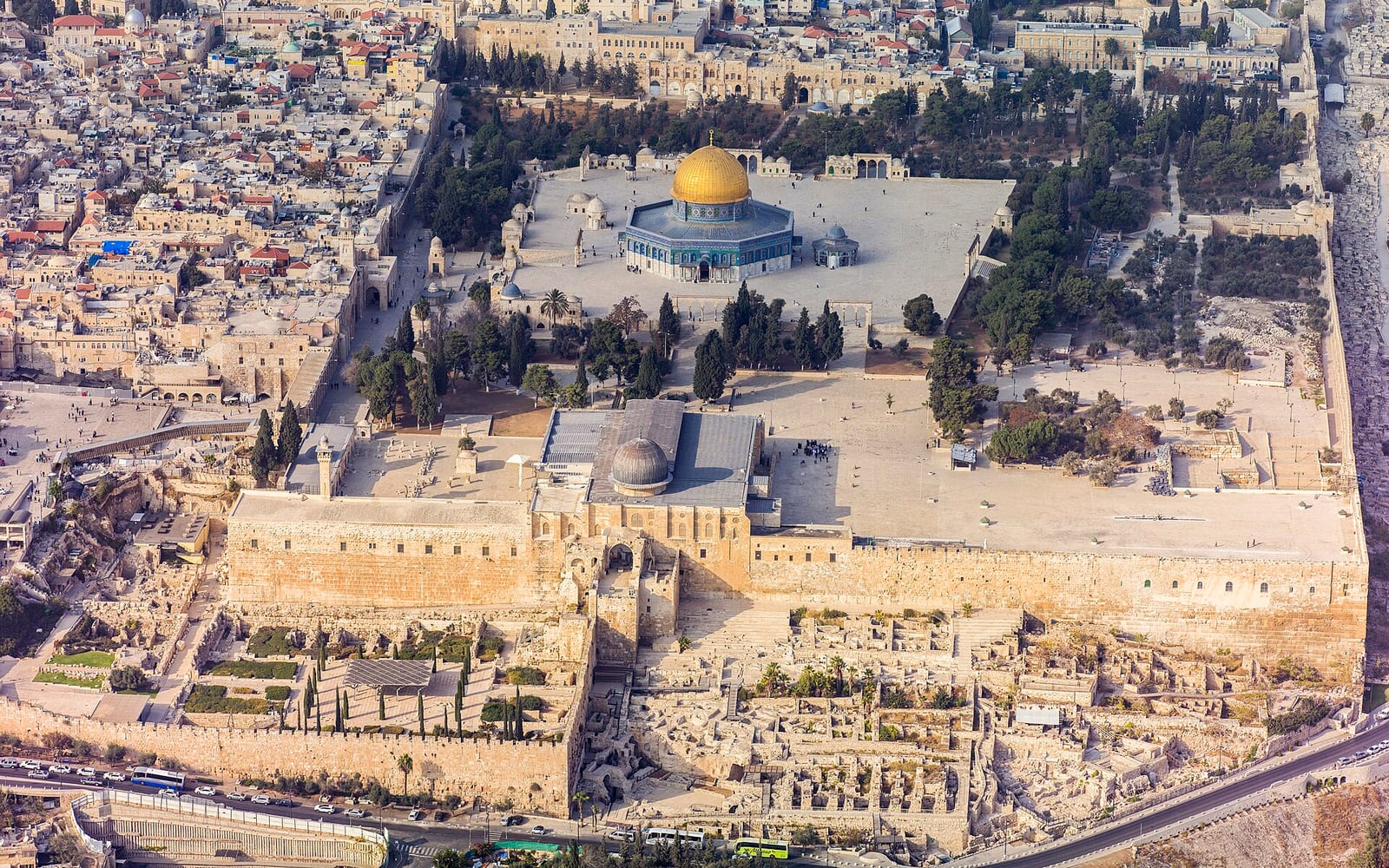
During Yom Kippur: Jerusalem’s normally busy streets fall completely silent. The Jewish Quarter of the Old City, the area around the Western Wall, and the Ben Yehuda pedestrian street are the places to experience the quiet. A walk from the Jaffa Gate through the empty Armenian Quarter to the Western Wall plaza on Yom Kippur afternoon is one of the quietest and most reflective walks available anywhere.
After the holidays: The brief window between Yom Kippur and Sukkot (September 25 in 2026) sees the city catch its breath before the next round of festivity.
Tel Aviv in September
Tel Aviv in September is full-summer mode through the holidays. The city’s beach culture is at its peak; outdoor dining is at its most active; Florentin and Rothschild nightlife runs until late.
Yom Kippur in Tel Aviv is the city’s most famous annual spectacle. The normally gridlocked Ayalon Highway — Israel’s main urban expressway — empties completely and fills with cyclists. The seafront Tayelet sees thousands riding along the Mediterranean in the silence. If you are in Israel for Yom Kippur, Tel Aviv is the best place to experience the bicycle phenomenon at scale.
The Dead Sea in September
The Dead Sea in September is intensely hot — 34–38°C at the water’s edge, with almost no shade. The upside: the mineral-rich water is at its warmest, the salt concentration remains constant, and the spa facilities at the Dead Sea resort hotels are in full operation. September is not the comfortable hiking-and-swimming month that November is; it is a spa and float month.
Practical note: Bring far more water than you think you need. The Dead Sea’s combination of direct sun, radiant heat from the salt flats, and low humidity creates rapid dehydration. 4–5 litres per person for a day visit is not excessive.
Dead Sea hotel demand spikes for Rosh Hashana and Yom Kippur as Israeli families escape the city holidays for a resort atmosphere. Book well ahead for those specific dates; outside the holiday period, availability is generally good.
For full logistics, see the Dead Sea guide.
September events calendar
Rosh Hashana (Hebrew New Year, 2 days): Synagogue services, Tashlich ceremony, festive family dinners, most businesses closed. Dates shift annually — verify at chabad.org/holidays.
Kol Nidre and Yom Kippur (Day of Atonement, 25 hours): Kol Nidre prayer at the Western Wall; Yom Kippur daytime silence and bicycle phenomenon in all cities; most businesses and transport suspended.
Sukkot begins (late September in most years): The first day of Sukkot follows 5 days after Yom Kippur. Festive outdoor huts (sukkahs) appear everywhere; Jerusalem fills for the Kotel Priestly Blessing (Birkat Kohanim). See the October guide for the full Sukkot coverage.
Grape harvest: ongoing from mid-September through October across the Golan, Galilee, and Judean Hills.
Eilat snorkelling and diving: September is a standout month for Red Sea underwater visibility — year-round activity, at its best this month.
HONESTY: Jewish holiday dates listed for 2026. They shift annually with the Hebrew calendar — always verify the current year’s dates at chabad.org/holidays before planning.
Practical September planning
Weather packing
- Coast (Tel Aviv, Haifa): 27–31°C days, 22–25°C evenings. Light clothing; no jacket needed until very late September. Sunscreen is essential.
- Jerusalem: 24–29°C days, 17–21°C nights. A light layer for evenings; modest clothing essential if visiting during Yom Kippur.
- Galilee/Golan: 28–33°C valley heat, cooler at altitude. Winery visits are comfortable in the morning; afternoons are hot.
- Eilat/Dead Sea: 35–40°C. Lightweight, breathable fabrics, hat, high-SPF sunscreen, and more water than you expect to need.
Booking priorities for September
- Jerusalem accommodation for Rosh Hashana/Yom Kippur: 4–6 months ahead minimum for holiday dates.
- Winery tours and tastings: 2–3 weeks ahead for guided tours; boutique winery appointments 1–2 weeks ahead.
- Eilat hotels for Rosh Hashana weekend: 3–4 months ahead.
- Early September (before the holidays): standard 4–8 weeks is generally sufficient.
Holiday logistics
The key practical points for navigating September’s holidays as a tourist:
- Stock supplies the day before Yom Kippur. Shops close the afternoon before — buy food, water, and anything you need in the morning.
- Plan transport around the holiday. No buses, trains, or taxis for approximately 25 hours during Yom Kippur. Taxis and hired cars can be arranged in advance through hotels for airport transfers on Yom Kippur (essential if you have a flight that day — confirm with your hotel well ahead).
- Dress modestly at religious sites. During the holidays, this matters more than usual — the sites are being used for active religious practice, not tourism.
- Use the Shabbat in Israel guide to plan around regular weekly Shabbat closures on top of the holiday schedule.
Where September fits in the bigger picture
September opens Israel’s autumn season and sets up the months that follow:
For day-by-day availability planning accounting for Yom Kippur and Shabbat closures, the Shabbat guide covers weekly closure patterns to factor into your itinerary.