Israel’s hotel market entered its most active expansion phase in two decades in 2026. Seventeen new properties opened in a single year — bringing the country’s first Six Senses, the debut of the Nobu Hotel brand in the region, a full marina resort at Herzliya, and a wave of character-led boutique openings from Safed to Beersheba. This guide covers what has opened, what makes each property distinctive, and what honest caveats apply before you book.
Important: Opening timelines for luxury hotels can shift, and phased launches are common. Confirm current availability via Booking.com before making any plans around a specific property.
At a glance: 2026 new openings
| Property | Location | Style |
|---|
| Six Senses Tel Aviv | Rothschild Blvd, Tel Aviv | Ultra-luxury wellness |
| Nobu Hotel Tel Aviv | Jaffa, Tel Aviv | Lifestyle luxury |
| Dizengoff 99 | Dizengoff, Tel Aviv | Boutique |
| Basel Complex Hotel | Central Tel Aviv | Urban luxury |
| Leon Towers | Tel Aviv | Luxury complex |
| R48 Hotel | Central Tel Aviv | Boutique heritage |
| InterContinental Jerusalem | Near Old City, Jerusalem | Luxury (now open, summer 2026) |
| The Yacht Hotel | Herzliya Marina | Marina resort |
| Isrotel Kayma Dead Sea | Dead Sea | Eco-luxury spa |
| Herzl Hotel | Beersheba | Heritage boutique |
| Canaan-Tzfat | Safed | Cultural boutique |
| Ein Hod Boutique | Ein Hod, Carmel Coast | Wellness boutique |
| Princess Hotel Eilat | Coral Beach, Eilat | Resort (planned revival — confirm before booking) |
| Airport City cluster | Eilat | Luxury resort complex (phased openings 2026–2027) |
Design-led and ultra-luxury: Tel Aviv
Tel Aviv gained two internationally recognised luxury brands in 2026 — a development that lifts the city into direct comparison with leading Mediterranean hotel markets.
Six Senses Tel Aviv (Rothschild-Herzl-Lilienblum, the city’s Golden Triangle) is Israel’s most anticipated hotel opening in a generation. The property integrates five 1909-era Tel Aviv heritage buildings on Rothschild Boulevard with a new LEED Platinum tower, preserving the White City architectural fabric while adding infrastructure that no existing Tel Aviv hotel matches: a ten-floor spa with a Holistic Anti-Aging Center, a rooftop sky pool, and the Six Senses brand’s signature integration of wellness into every aspect of the guest experience. The location gives walking access to the Carmel Market, the city’s finest restaurants and the UNESCO Bauhaus district. For visitors who want world-class wellness infrastructure in the cultural heart of Tel Aviv, this is now the first recommendation in the city’s luxury tier.
Nobu Hotel Tel Aviv (Jaffa waterfront) marks the Israeli debut of the Robert De Niro and Nobu Matsuhisa brand — a lifestyle-luxury combination that has worked consistently in global cities from Miami to London to Tokyo. The in-house Nobu Restaurant is the draw for many guests: the brand’s Japanese-Peruvian fusion cuisine, available to hotel guests and non-residents alike. The Jaffa waterfront location places it alongside The Setai Tel Aviv in the Old Port luxury cluster, giving visitors two distinct interpretations of Jaffa luxury: the Setai’s Ottoman fortress setting or Nobu’s contemporary international brand. For broader context on the Jaffa hotel cluster, see our dedicated guide.
Boutique and lifestyle: Tel Aviv
Three Isrotel properties opened in 2025–2026, adding significant capacity at the boutique and lifestyle tier across the city.
Dizengoff 99 occupies a position on one of Tel Aviv’s most characterful streets — the Dizengoff Circle, independent cafés and White City apartments all within walking distance. It fills a gap between Isrotel’s large resort hotels and the ultra-luxury tier with a boutique-scale property in a genuinely central location.
Basel Complex Hotel (Central Tel Aviv) and Leon Towers add urban luxury options to Tel Aviv’s expanding hotel stock. The Palatin Hotel (Fattal Group) rounds out the year’s Tel Aviv additions. For all four, check Booking.com for current operational status and available room categories — phased openings are standard for new properties of this scale. For a complete picture of Tel Aviv accommodation by neighbourhood and budget, see our best hotels in Tel Aviv guide.
R48 Hotel brings something rare to Tel Aviv’s boutique tier: a 1930s International Style building — the Bauhaus-influenced architecture that gives the city its UNESCO-listed White City character — meticulously restored as a small luxury hotel. The property’s centrepiece is a sheltered internal garden, an unusual feature in dense central Tel Aviv. A curated collection of Israeli art runs through the public spaces, reflecting a design approach that treats the hotel as a cultural venue rather than just accommodation. R48 is one of the standout boutique openings of 2026 for visitors who want to stay inside the architectural story of Tel Aviv rather than alongside it. Check current availability and rates via Booking.com.
Marina and waterfront: Herzliya
The Yacht Hotel (Herzliya Marina, opened June 2026) is a Fattal Group property and the first full-service luxury resort at Israel’s main recreational marina. At 325 rooms with two outdoor pools, a spa and a waterfront al fresco restaurant, it provides proper resort infrastructure that the Herzliya Marina precinct previously lacked. The location — 20 minutes north of central Tel Aviv by car, or reachable by train and short taxi — makes it a practical alternative base for visitors who want a quieter, marina-facing environment with easy day-trip access to Tel Aviv. Check current availability and rates via Booking.com.
Fattal Hotels expansion pipeline (2026–2027): Israel’s largest hotel chain is actively expanding. Fattal Hotels has announced eight new properties adding approximately 1,000 rooms nationwide through 2026–2027, with the Palatin Hotel (Tel Aviv) already open as part of this wave. The expansion covers multiple regions and market tiers. For confirmed open properties, check Booking.com; newly announced properties may not yet have live listings.
A landmark return: Jerusalem
InterContinental Jerusalem is the most significant Jerusalem hotel opening in over a decade. Described by the trade press as Jerusalem’s first major new luxury hotel in more than ten years, the 237-room IHG property is positioned within walking distance of the Old City and joins the Virtuoso network on opening. The rooftop restaurant L18 adds a new high-altitude dining option to a city where rooftop views of the Old City walls are in short supply.
The hotel brings the global InterContinental brand — operating in 60+ countries and consistently ranked among the world’s leading luxury networks — to Jerusalem for the first time, filling a gap in the market that the existing luxury tier (Mamilla Hotel, Waldorf Astoria Jerusalem, American Colony) has occupied without new competition for years.
Now open, summer 2026. The InterContinental Jerusalem opened in summer 2026, as reported by Travel And Tour World and the Virtuoso preferred hotel network. As with any new luxury opening, initial guest reviews are the most reliable guide to current service levels — check Booking.com for live availability, current rates, and recent guest feedback before confirming your stay. For the full Jerusalem luxury hotel picture, see the best hotels in Jerusalem guide.
Eco-luxury and wellness: Dead Sea
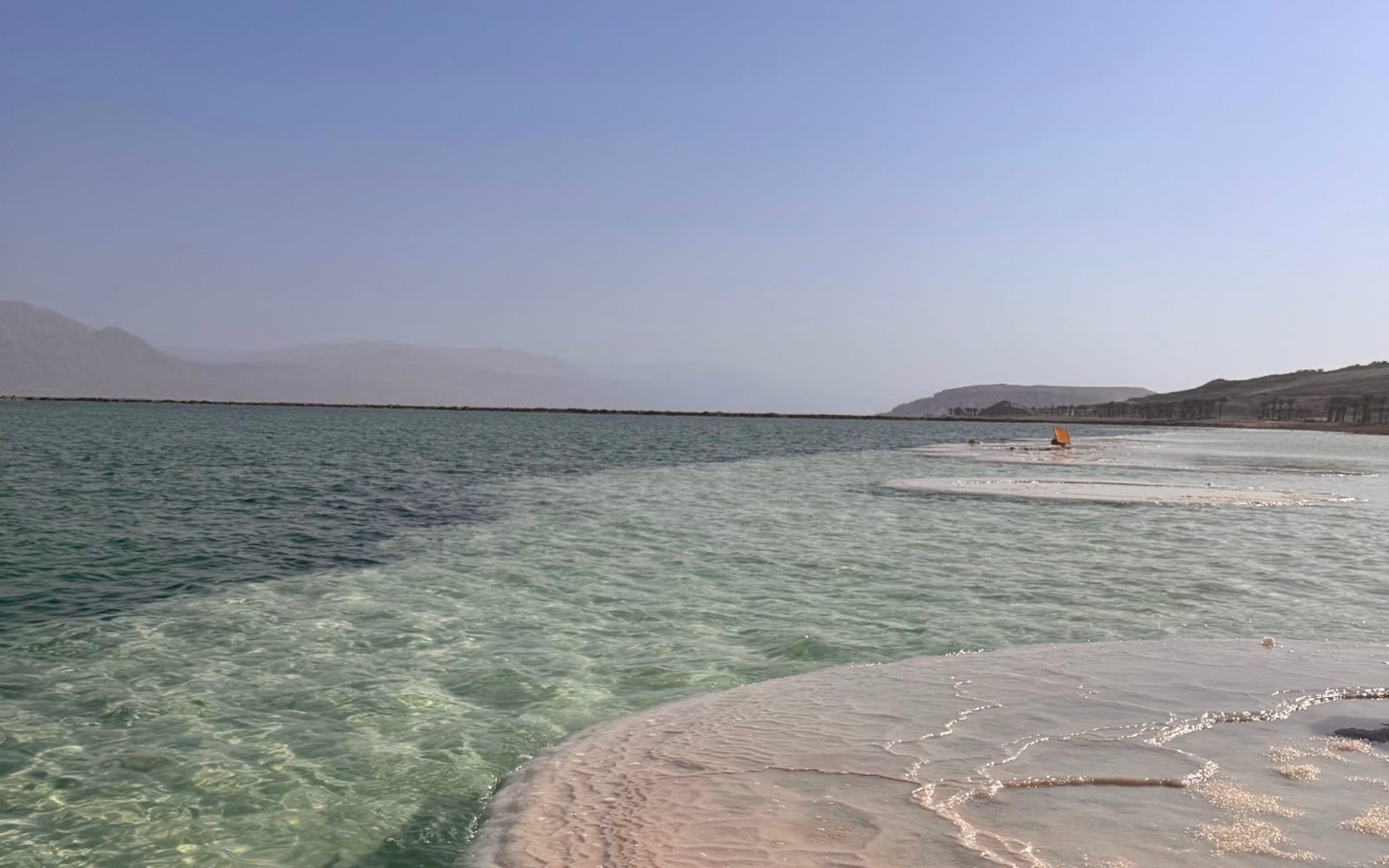
Isrotel Kayma Dead Sea is Isrotel’s eco-luxury concept — the Kayma brand targeting sustainability-conscious travellers who want the Dead Sea mineral experience in a setting that emphasises natural materials and open, less conventional design. The Dead Sea corridor at Ein Bokek already has established 5-star alternatives (the Kempinski Hotel Ishtar, Herods Dead Sea); the Kayma positions itself as the eco-conscious choice within the same geography. Confirm facilities and availability via Booking.com — initial guest reviews after opening will be the most reliable guide to how well the concept has been executed. For the full range of Ein Bokek options, see our Dead Sea hotels guide.
Heritage and character: beyond Tel Aviv
The year’s most distinctive boutique openings are outside Tel Aviv — properties where the building or the location is the primary luxury.
Herzl Hotel, Beersheba occupies the former Ottoman Governor’s House in Beersheba’s historic core — the Ottoman-era district that Israel has submitted for UNESCO World Heritage consideration. The conversion brings an entirely new accommodation category to a city that previously offered only chain hotels and business properties. Beersheba is a natural base for the Negev desert, Abraham’s Way and the Nabataean Incense Route. The heritage building gives the Herzl Hotel a genuine sense of place that no new-build can manufacture. For more on Beersheba as a destination, see the Beersheba guide.
Canaan-Tzfat (Safed) is a boutique opening in one of Israel’s most atmospheric cities — the hilltop kabbalistic capital of the Galilee, whose lanes of artists’ galleries, ancient synagogues and dramatic mountain light have drawn pilgrims and curious visitors for centuries. A well-positioned boutique hotel in Safed has been conspicuously absent from the market; the Canaan fills that gap. See the Safed guide for context on the city’s character and what to do there.
Ein Hod Boutique Wellness Hotel (Ein Hod artists’ village, Carmel Coast) is arguably the most unusual new opening in the country: a small wellness property inside Israel’s singular artists’ colony — a UNESCO-recognised community of sculptors, painters and ceramicists on the western Carmel slope, 30 minutes south of Haifa. Yoga, pottery, gallery access and Carmel forest. For visitors interested in a retreat that is culturally specific rather than generically luxurious, this is a category of one. See the Haifa travel guide for the broader Carmel Coast context.
Eilat: Airport City cluster and the Princess Hotel revival
Eilat’s luxury hotel landscape is in its most significant transformation in decades — driven by a ₪1 billion Airport City development and the planned revival of the Princess Hotel, an iconic property that has been closed for the better part of a decade.
Airport City luxury cluster: Built on land adjacent to the decommissioned Eilat domestic airport runway, the Airport City development is adding approximately five new luxury properties — roughly 1,100 upscale rooms — to Israel’s southernmost resort city. These are being developed in phases through 2026 and into 2027, with openings staggered rather than simultaneous. The investment is explicitly targeting high-value leisure visitors from the USA, UK, Germany and France — a repositioning of Eilat as a premium international Red Sea destination rather than primarily a domestic resort. Check Booking.com for which Airport City properties are currently accepting reservations; availability for specific properties varies as the phased rollout continues.
Princess Hotel Eilat (planned revival): The Princess Hotel on Eilat’s Coral Beach road — an iconic ~420-room resort that operated for decades as one of Eilat’s landmark family properties — is confirmed to be on a revival pathway according to reporting by ITN Israel Travel News and TravelAndTourWorld. The property closed and remained dark for years; the Airport City consortium has announced plans to reopen it, likely under a new name and with a repositioned luxury identity. Honesty caveat: no confirmed reopening date has been officially set as of mid-2026. Do not book travel around this property — check Booking.com for current status. If the revival proceeds on the timeline being discussed in the trade press, additional luxury room capacity is expected to come online by 2027–2028.
Almog Beach upgrade: Eilat’s Almog Beach is being designated as the city’s first official city-managed beach, with a new permanent lifeguard station and a coastal infrastructure upgrade covering approximately 13 km of the Eilat shoreline. This is a quality-of-life improvement for the resort zone rather than a new hotel — but it raises the beach tier in the vicinity of the southern hotel zone. For the full beach comparison, see the Eilat beach guide.
For Eilat hotel options at every tier — from budget guesthouses near the bus station to the North Beach resort strip and the Airport City luxury cluster — see our detailed Eilat hotels guide.
Sea of Galilee: luxury pipeline 2027–2028
The Sea of Galilee corridor — currently served primarily by kibbutz guesthouses and mid-range city hotels in Tiberias — has three significant luxury resort projects in development or planning, each representing a category upgrade for the region.
Dream Island Resort, Migdal (adjacent to the Migdal community on the Kinneret western shore, March 2027 target opening): A 93-room property featuring Israel’s first over-water bungalows on the Sea of Galilee, rooftop events, a spa complex, and restaurants. If it opens on schedule, it would be the first genuinely international-grade resort hotel at the lake.
Amnon Beach Resort, northern shore (operated by Isrotel; estimated 2027–2028): A large resort of approximately 200 suites with private pools, restaurants, and commercial areas, on a ₪500M project. Isrotel’s operational track record at the Dead Sea and elsewhere makes this one of the more credible developments in the pipeline.
Gordonia Golan Beach Hotel (planning stage, replacing the former Luna-Gal complex): Approximately 150 suites across family and couples wings, a chef’s restaurant, and spa. Still in planning — no confirmed opening timeline.
Honesty note: All three are in development or planning as of mid-2026 and carry the standard risk of schedule slippage. Do not plan a trip around any of these properties. Set a Booking.com alert for the Sea of Galilee region for notifications when new properties become bookable. For current accommodation options — kibbutz guesthouses, the Scots Hotel Tiberias, Nof Ginosar and the Leonardo Club — see the best hotels at the Sea of Galilee guide.
Booking advice
Verify before you plan. Large luxury openings in 2026 are real, but phased launches mean announced opening dates and actual guest readiness frequently diverge. A new hotel may have some room categories open while its restaurant, spa or pool is still in fit-out. Check Booking.com for live availability — if a property does not show availability for your dates, it may not yet be fully operational.
Opening-year dynamics. New properties often offer competitive rates in their first months as they build reviews. This can be a good opportunity — but service and systems in the first months of a new hotel are rarely at their eventual standard. If you want a hotel operating at peak performance, returning six to twelve months after opening typically delivers a better experience than being among the first guests.
No fabricated prices or ratings. Rates for new luxury properties change frequently in their first year of operation and vary significantly by season, room type and occupancy. All figures in this guide are indicative ranges only. Check current live rates via Booking.com before planning your budget around any specific property.
Shabbat logistics apply consistently regardless of hotel category. Major hotels operate all services through Shabbat; restaurants outside the hotel in observant areas may be closed. See the Shabbat guide for planning detail.
Useful links
IHG, Marriott and Hilton all have Israel properties — including the InterContinental Jerusalem and the W Tel Aviv — where loyalty points can offset or eliminate room costs. See the Israel points & miles guide for IHG One Rewards, Marriott Bonvoy and Hilton Honors redemption tips specific to Israel. For the established luxury tier — The Norman, The Setai, King David and Waldorf Astoria — see the luxury travel in Israel guide. For Jerusalem hotel picks at all tiers — including the current luxury lineup and context on the InterContinental Jerusalem opening — see the best hotels in Jerusalem guide. For Tel Aviv hotel picks at every budget and by neighbourhood, see best hotels in Tel Aviv. For accommodation across all regions — Dead Sea resorts, Galilee kibbutz hotels, Negev desert lodges — see the Israel accommodation guide. For the full Dead Sea hotel corridor including established 5-star alternatives, see the Dead Sea hotels guide. For context on the Haifa and Carmel region where Ein Hod sits, and on Safed for the Canaan-Tzfat boutique, see the respective destination guides.